Industry News
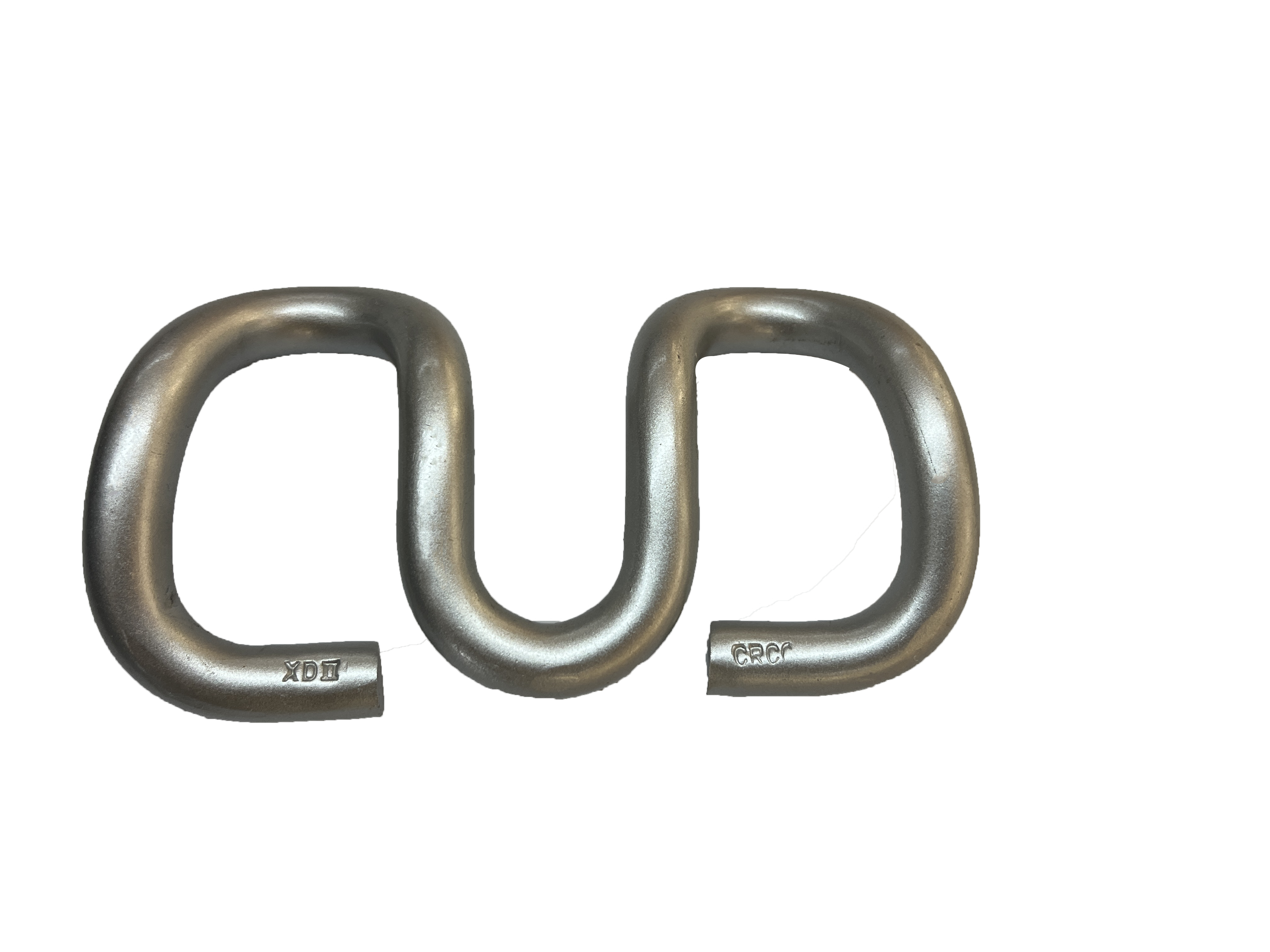
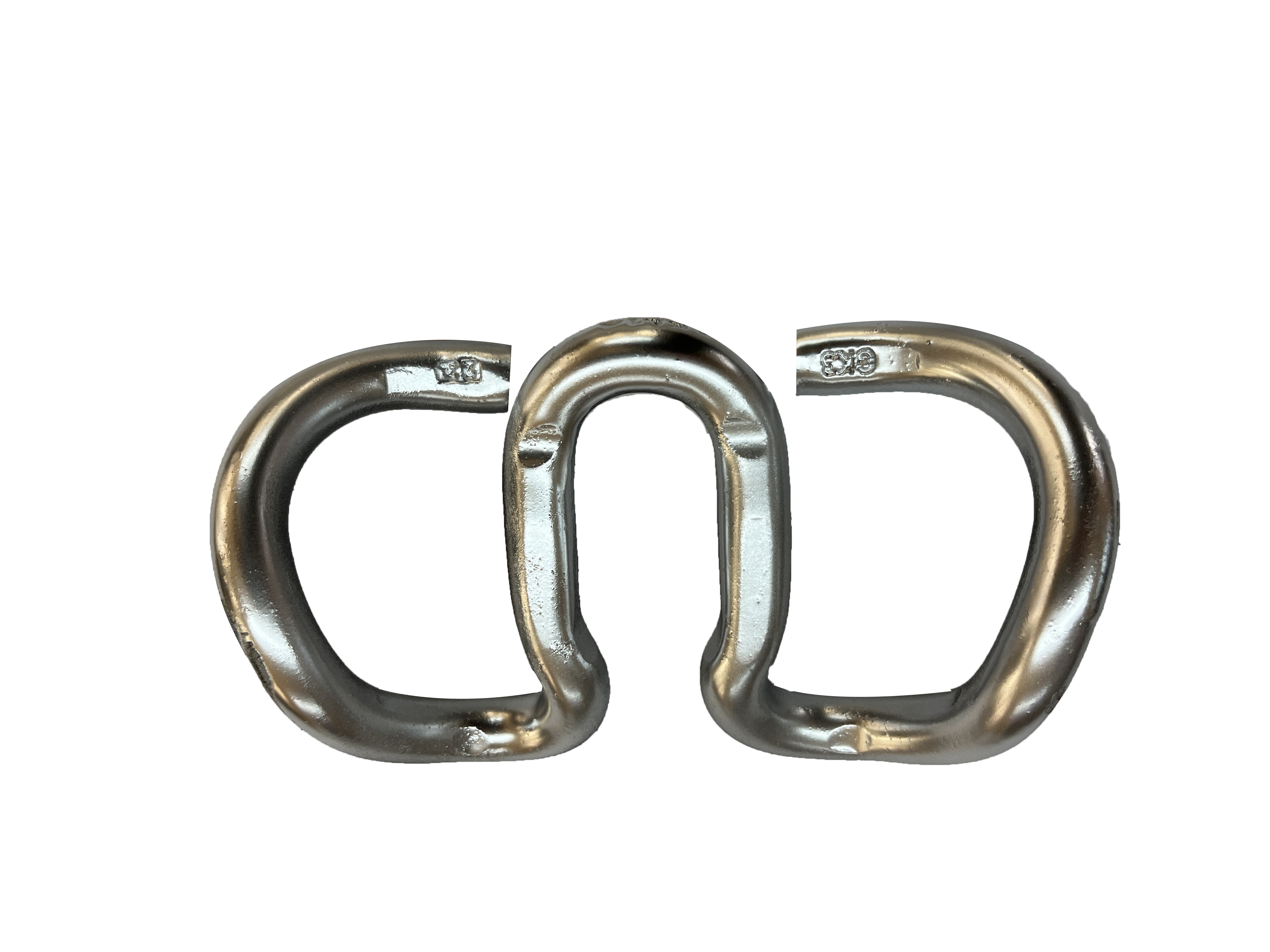
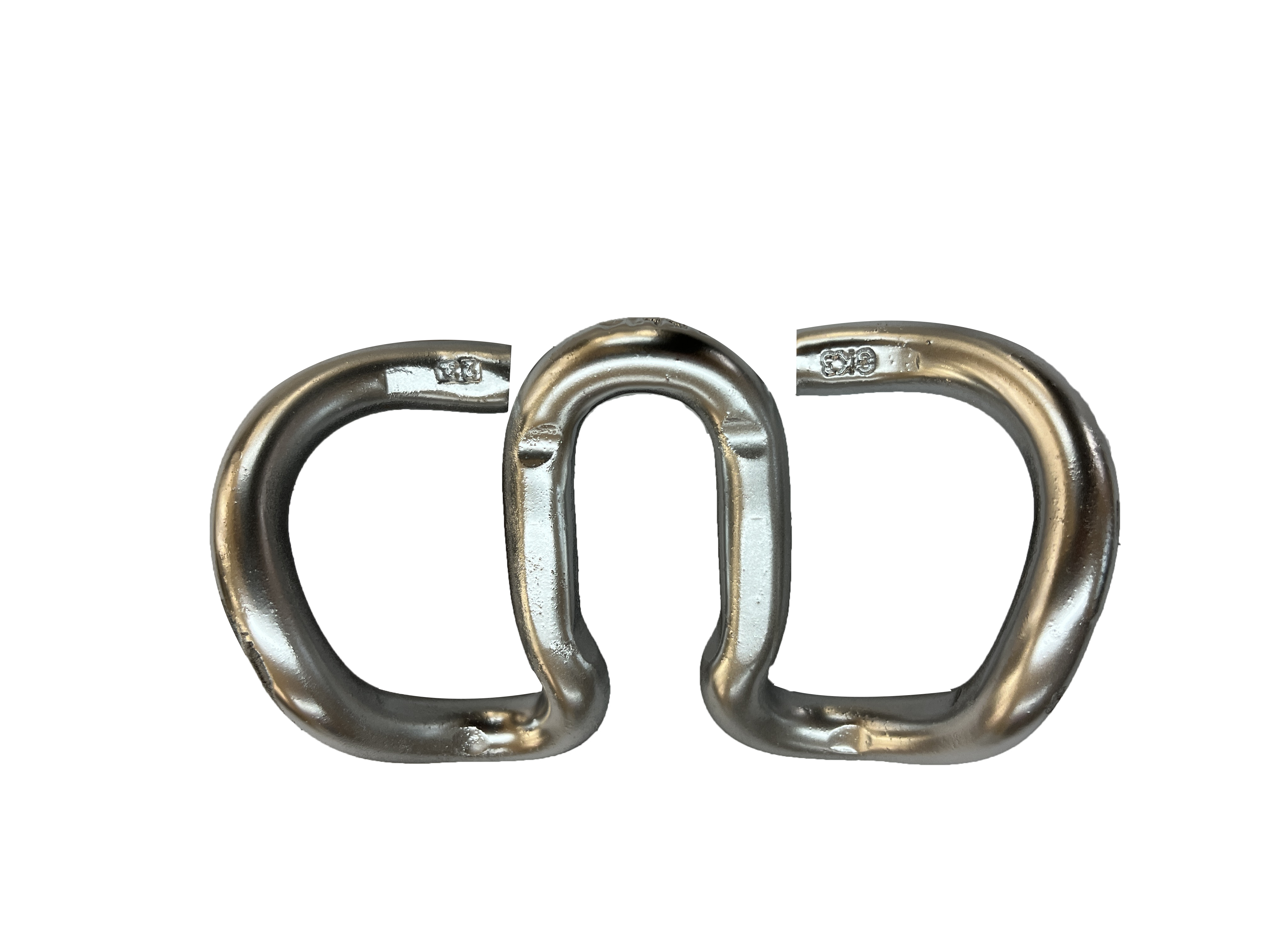
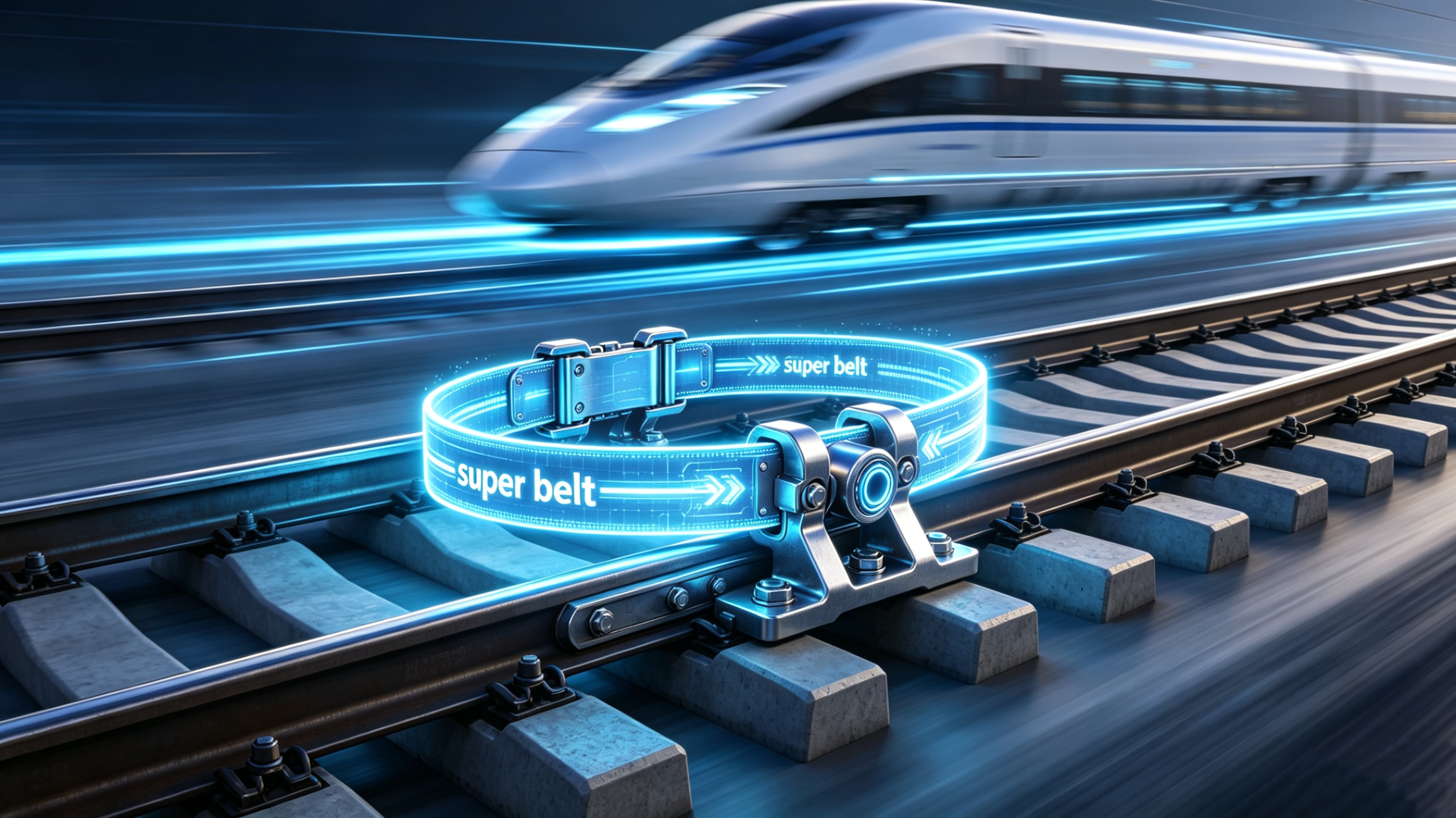
Can prevent the surface of rail fittings from rusting for 100 years
Understanding Railway Stud Bolts: A Key Component in Industrial Fastening Solutions
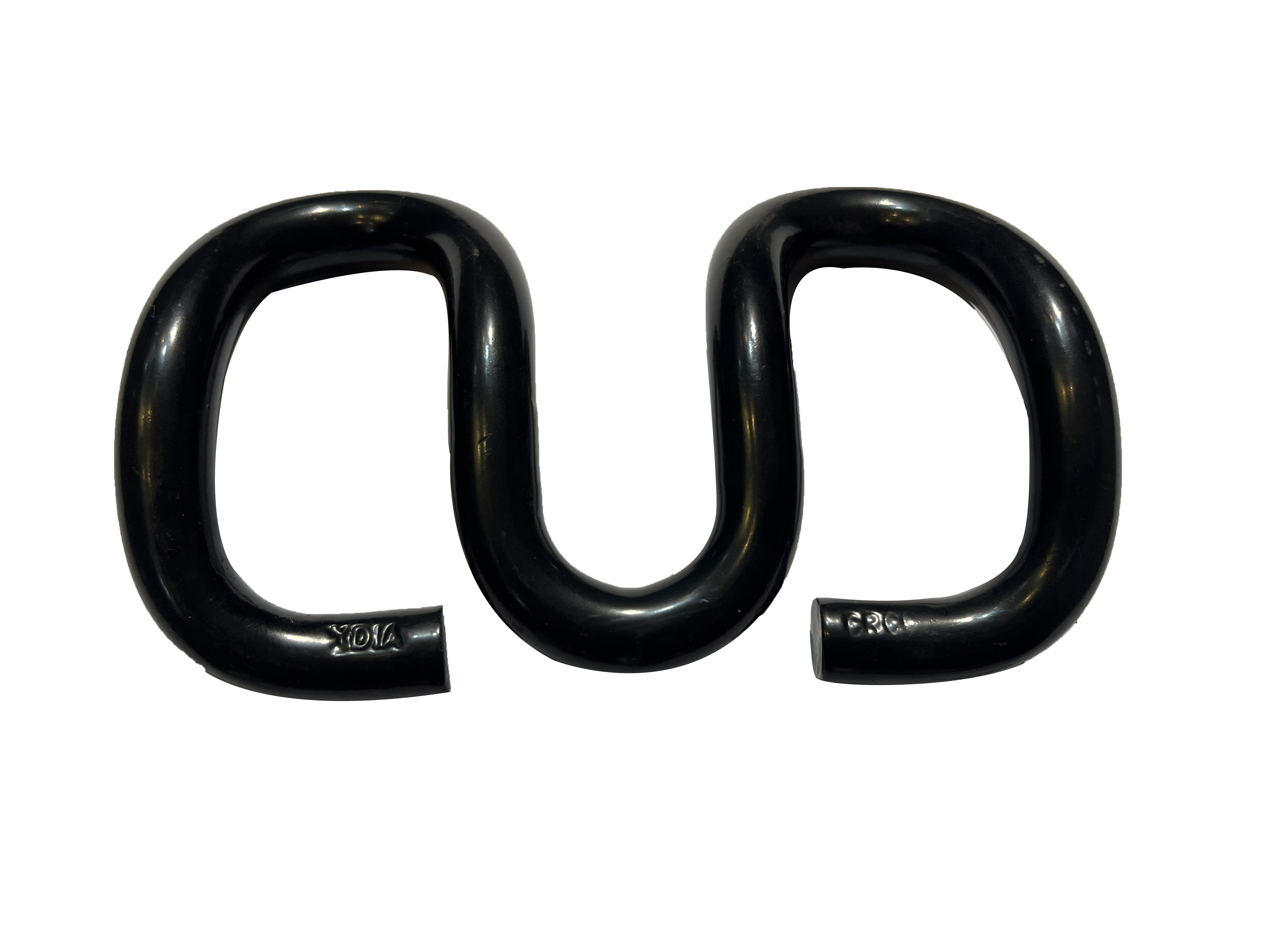
In the realm of industrial equipment and components, the reliability and integrity of connections are paramount. Railway stud bolts play a crucial role in achieving this reliability, especially within railway systems where safety and durability are non-negotiable. These specialized fasteners are designed to provide a secure and robust connection under various conditions, ensuring that components remain intact even under heavy loads and adverse environmental factors.Railway stud bolts are typically characterized by their specific design features, which may include a larger diameter, a thicker shank, and a variety of thread types. This unique construction allows them to withstand significant stress and fatigue associated with railway operations. The threads play a vital role in the fastening process, providing optimal grip and tension when tightened. This ensures that the various components connected by these bolts remain securely fastened during operation.Applications of railway stud bolts extend beyond railways. They are commonly utilized in bridge construction, heavy machinery, and even in structural applications where high strength and stability are required. The versatility of these fasteners makes them an essential component in various engineering projects, particularly where safety is a critical concern.One of the key advantages of using railway stud bolts is their ability to provide a lasting connection with minimal maintenance. Unlike other fastening methods that may require frequent checks and replacements, properly installed stud bolts can offer prolonged service life. This is particularly beneficial in industries where downtime can lead to significant financial losses. Furthermore, the materials used in manufacturing these bolts typically include high-strength steel or alloy, which enhances their resistance to corrosion and wear, contributing to their longevity.In conclusion, railway stud bolts are indispensable in ensuring the safety and effectiveness of industrial connections. Their specialized design and robust performance make them suitable for a wide range of applications, particularly in high-stress environments like rail transport. Understanding the importance and functionality of these fasteners can greatly assist professionals in making informed decisions regarding the selection and use of fastening solutions in their projects. By acknowledging the critical role that railway stud bolts play, industries can enhance their operational efficiency and ensure the safety of their infrastructure.
2025.11.26
view(116)
Understanding Rail Track Spikes: Essential Components for Track Stability
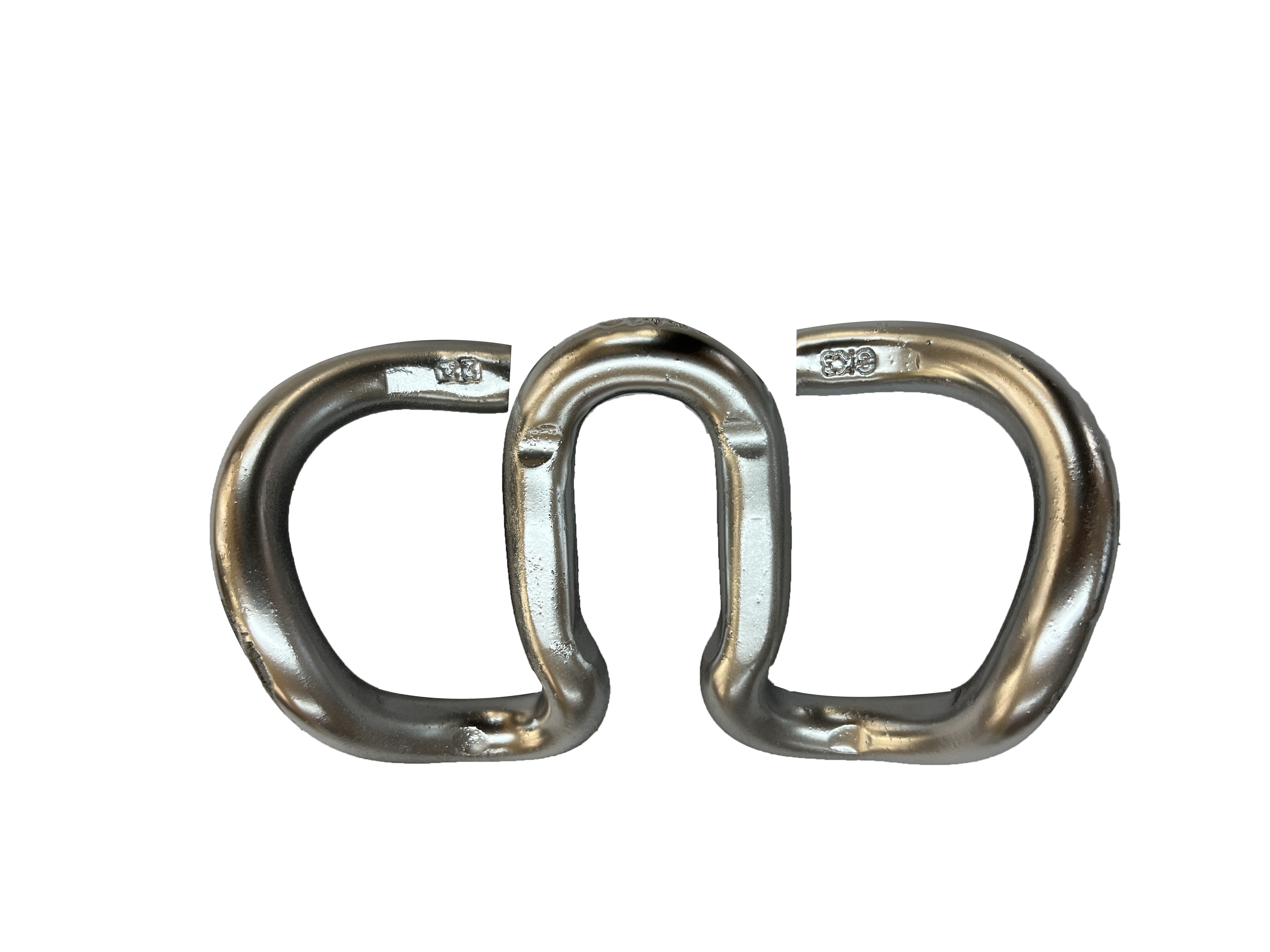
Rail track spikes, often referred to simply as spikes, are integral components used to fasten rails to railway ties (sleepers). Their primary function is to secure the track and maintain its alignment, which is crucial for the safe operation of trains. By understanding the various aspects of rail track spikes, professionals within the transportation safety equipment industry can enhance their operational efficiency and ensure compliance with safety regulations.### Types of Rail Track SpikesThere are several types of rail track spikes, each designed for specific applications and conditions. The most common types include:1. **Round-Head Spikes**: These are the traditional design and are widely used in various railway applications. Their rounded top allows for easy installation and provides a stable hold.2. **Square-Head Spikes**: Often used in heavier rail applications, square-head spikes can withstand greater forces and are ideal for high-speed rail lines.3. **Dog Spikes**: Specifically designed for fastening flat-bottomed rails, dog spikes are less common but serve a critical role in certain railway configurations.### Functions of Rail Track SpikesRail track spikes serve multiple important functions:- **Stability**: By securing the rails to the ties, spikes help to maintain the correct gauge (the distance between rails), which is essential for train safety.- **Vibration Absorption**: Spikes absorb vibrations generated by passing trains, thus reducing wear on the rail and tie system.- **Alignment Maintenance**: Spikes help in keeping the track aligned under pressure and dynamic loads, preventing derailments and other accidents.### Maintenance and Best PracticesTo ensure the longevity and effectiveness of rail track spikes, regular maintenance is essential. Here are some best practices:- **Inspection**: Regularly inspect spikes for signs of wear, corrosion, or misalignment. Early detection of issues can prevent costly repairs and enhance safety.- **Replacement**: Damaged or worn-out spikes should be replaced promptly to maintain track integrity.- **Installation Techniques**: Proper installation techniques, including the correct hammering angle and force, can significantly extend the lifespan of spikes and improve track performance.In conclusion, rail track spikes are not just simple fasteners; they are crucial components that contribute to the safety and efficiency of railway systems. By understanding their types, functions, and maintenance practices, transportation safety equipment professionals can enhance their operational standards and ensure safer railway networks.
2025.11.26
view(114)
Understanding the Role of Fishplates in Rail Transportation
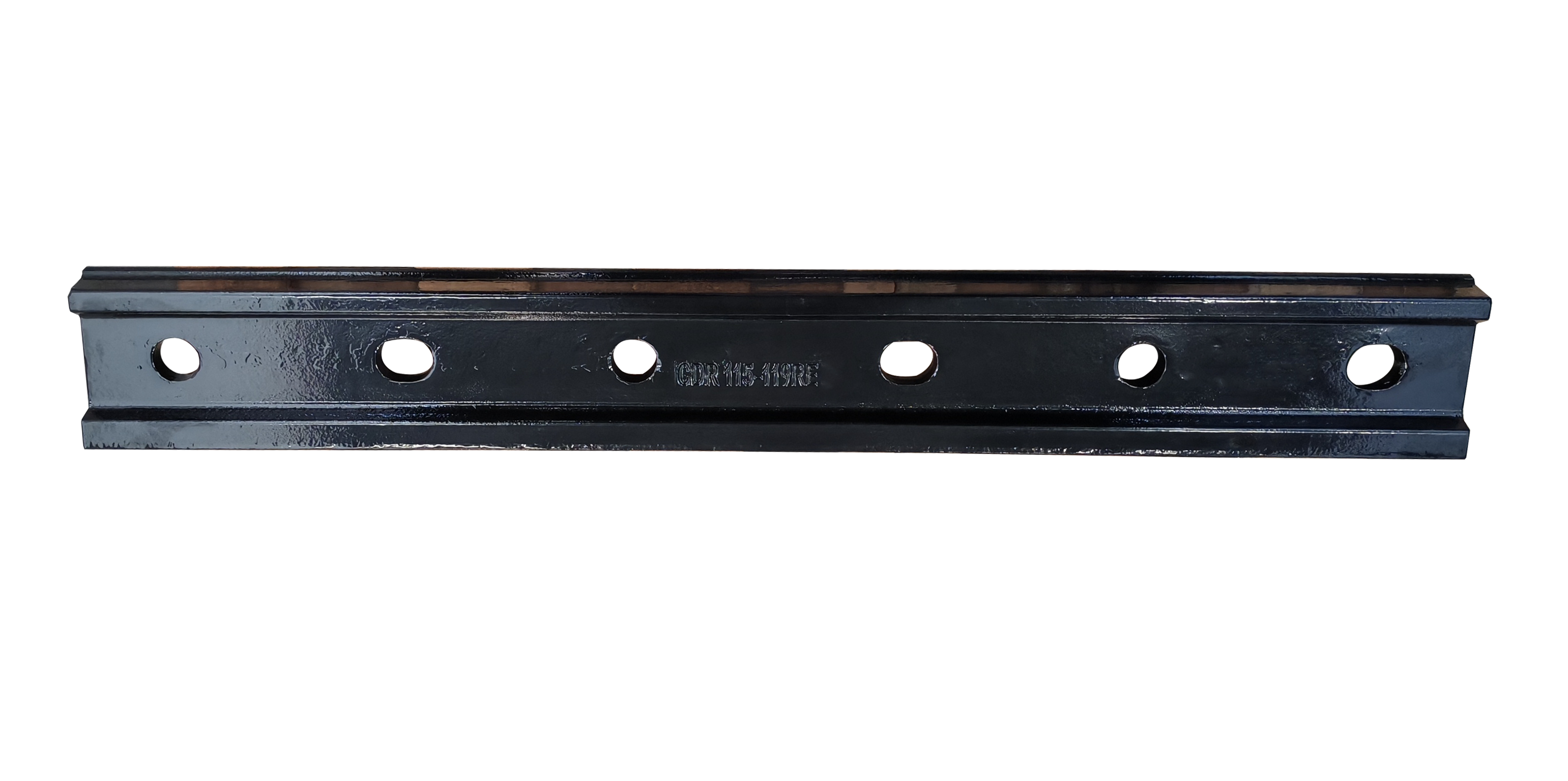
Fishplates, also known as rail connectors or joint bars, play a critical role in the integrity and functionality of rail systems. They are metal plates used to connect two sections of rail, ensuring a strong and stable link that facilitates smooth train movements. The primary purpose of fishplates is to maintain the alignment and continuity of rails, which is essential for safe and efficient railway operations.In terms of design, fishplates are typically made from high-strength steel or other durable materials to withstand the immense forces exerted by passing trains. They come in various sizes and shapes, tailored to specific rail profiles and operational requirements. The correct installation of fishplates is vital; they must be properly aligned and secured to prevent track instability, which could lead to derailments or accidents.There are two primary types of fishplates: standard and insulated. Standard fishplates are used to connect rails in most situations, allowing for electrical continuity along the rail line. Insulated fishplates, on the other hand, are designed to interrupt electrical circuits, commonly employed in tracks where signaling systems are in use. This differentiation is crucial for electrical train control systems, ensuring that signals function correctly and train movements are safely coordinated.The maintenance of fishplates is a critical aspect of railway safety. Regular inspections are necessary to detect wear and tear, corrosion, or other forms of damage. A well-maintained fishplate not only contributes to the longevity of the rail infrastructure but also enhances the overall safety of the rail network. Maintenance practices often include checking bolt tightness, examining for signs of distortion, and ensuring that any jointing surfaces are clean and properly lubricated.Railway operators should also consider the environmental conditions that may affect fishplates. Factors such as temperature fluctuations, moisture, and exposure to chemicals can impact the lifespan and performance of these components. Understanding these influences enables operators to apply appropriate protective measures, such as using corrosion-resistant materials or implementing design changes that accommodate thermal expansion.In conclusion, fishplates are indispensable components in rail transportation, ensuring the structural integrity and operational reliability of railway networks. Their effective design, installation, and maintenance directly contribute to the safety and efficiency of train operations. By recognizing the importance of these connectors, railway professionals can better appreciate the complexities of rail infrastructure and the necessity of rigorous maintenance protocols.
2025.11.24
view(112)
The Essential Role of Fishplates in Railway Infrastructure
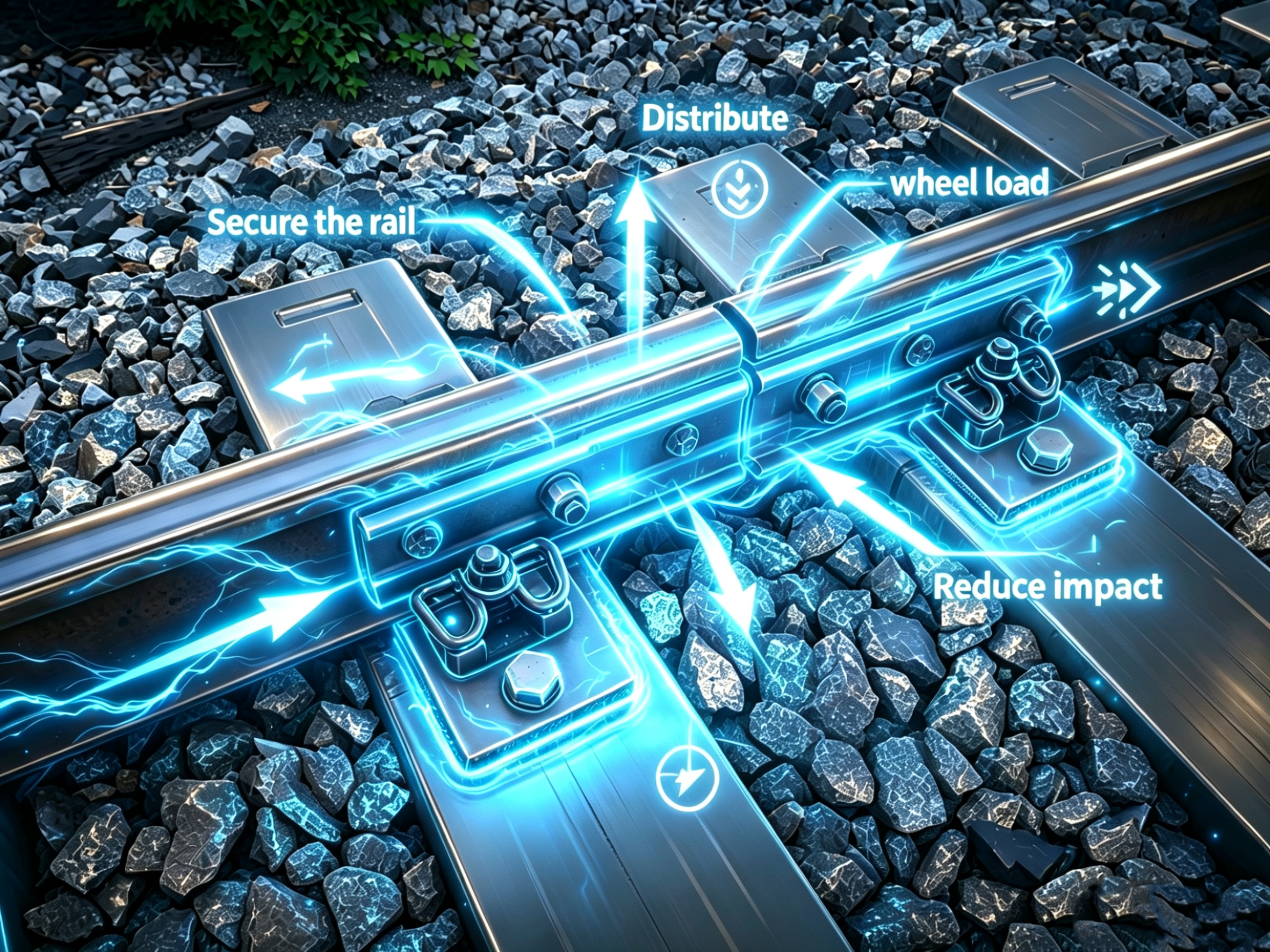
Fishplates, often referred to as rail joints, are critical components in railway infrastructure that play a pivotal role in maintaining the integrity and safety of railway tracks. These metal plates are utilized to connect two sections of rail, effectively bridging the gap between them. Understanding the function and importance of fishplates can provide valuable insights into the operations of railFishplates, often referred to as rail joints, are critical components in railway infrastructure that play a pivotal role in maintaining the integrity and safety of railway tracks. These metal plates are utilized to connect two sections of rail, effectively bridging the gap between them. Understanding the function and importance of fishplates can provide valuable insights into the operations of rail transport systems.Primarily, fishplates are designed to ensure that the alignment and stability of the railway tracks are preserved. By securely connecting rail segments, they help to maintain a continuous and uniform surface for trains to travel on. This is crucial in preventing derailments and ensuring a smooth ride for passengers. The durability and strength of fishplates allow them to withstand the weight of heavy trains, as well as the dynamic forces exerted during operation.In terms of design, fishplates are typically made from high-strength steel to resist wear and tear, as they are subject to immense stress. They come in various sizes and configurations, tailored to meet specific requirements of different rail systems. The installation of fishplates is a meticulous process, involving precise alignment and fastening to ensure that they function effectively. Regular maintenance and inspection of fishplates are essential to detect any signs of wear or damage, which could compromise track safety.The importance of fishplates extends beyond just structural integrity. They also facilitate the expansion and contraction of rail due to temperature changes. As temperatures fluctuate, the rails expand and contract, and fishplates accommodate these movements without compromising the overall stability of the track. This feature is particularly important in regions with extreme weather conditions, where thermal stress can significantly affect the performance of railway infrastructure.Moreover, advancements in technology have led to the development of innovative fishplate designs that enhance performance and reduce maintenance needs. Some modern fishplates include features such as built-in sensors that monitor the condition of the rail joint, providing real-time data for maintenance teams.In conclusion, fishplates are indispensable components of railway systems, ensuring the safety, stability, and efficiency of train operations. Their role in connecting rail segments, accommodating thermal expansion, and maintaining track alignment cannot be overstated. Understanding the function and significance of fishplates not only highlights their critical nature in railway infrastructure but also underscores the commitment to safety and reliability in the transportation sector.
2025.11.24
view(110)
WHATSAPP
TEL
+86-18821331647
WECHART

WECHART

MESSAGE