Main
Products
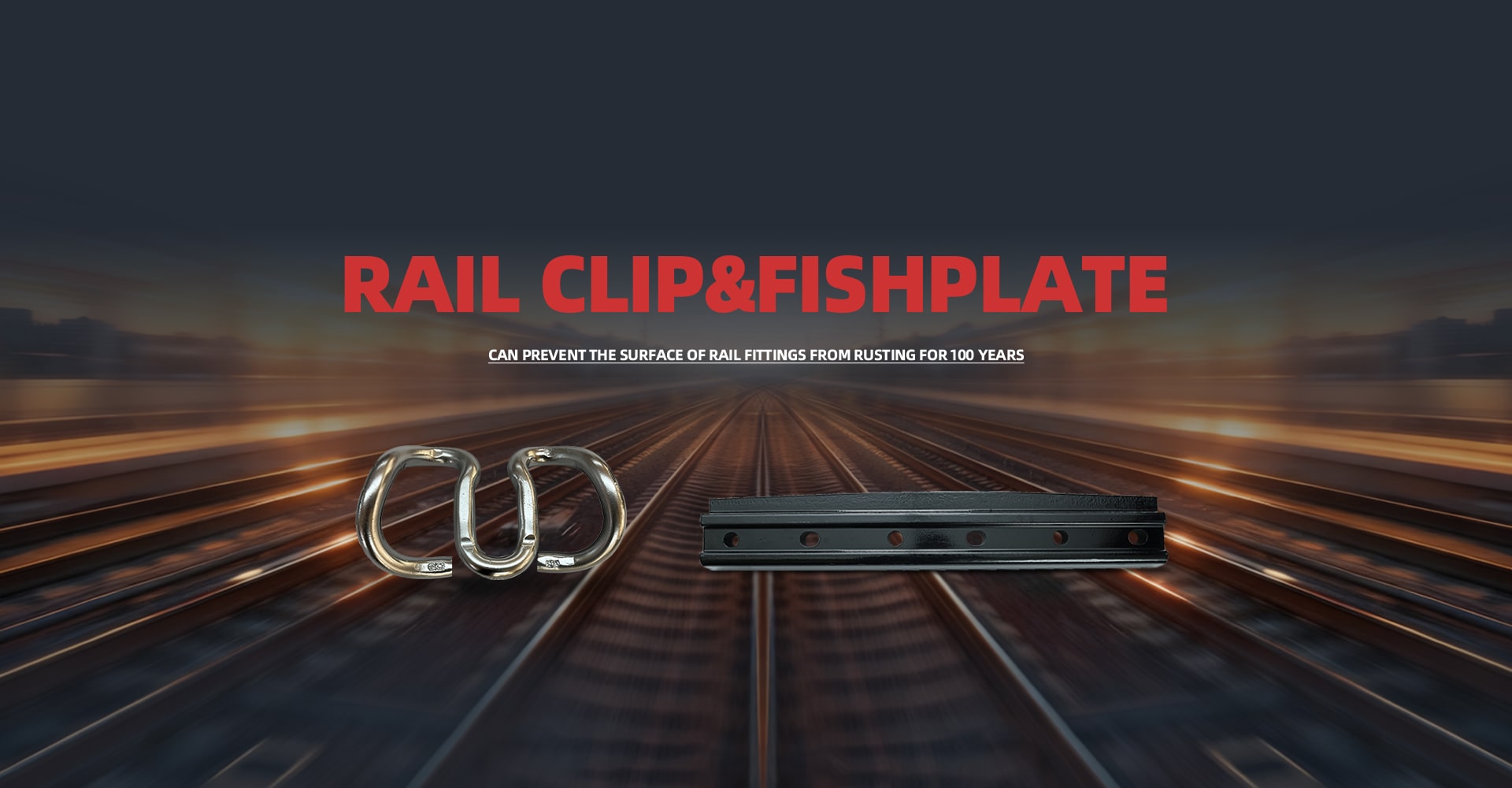
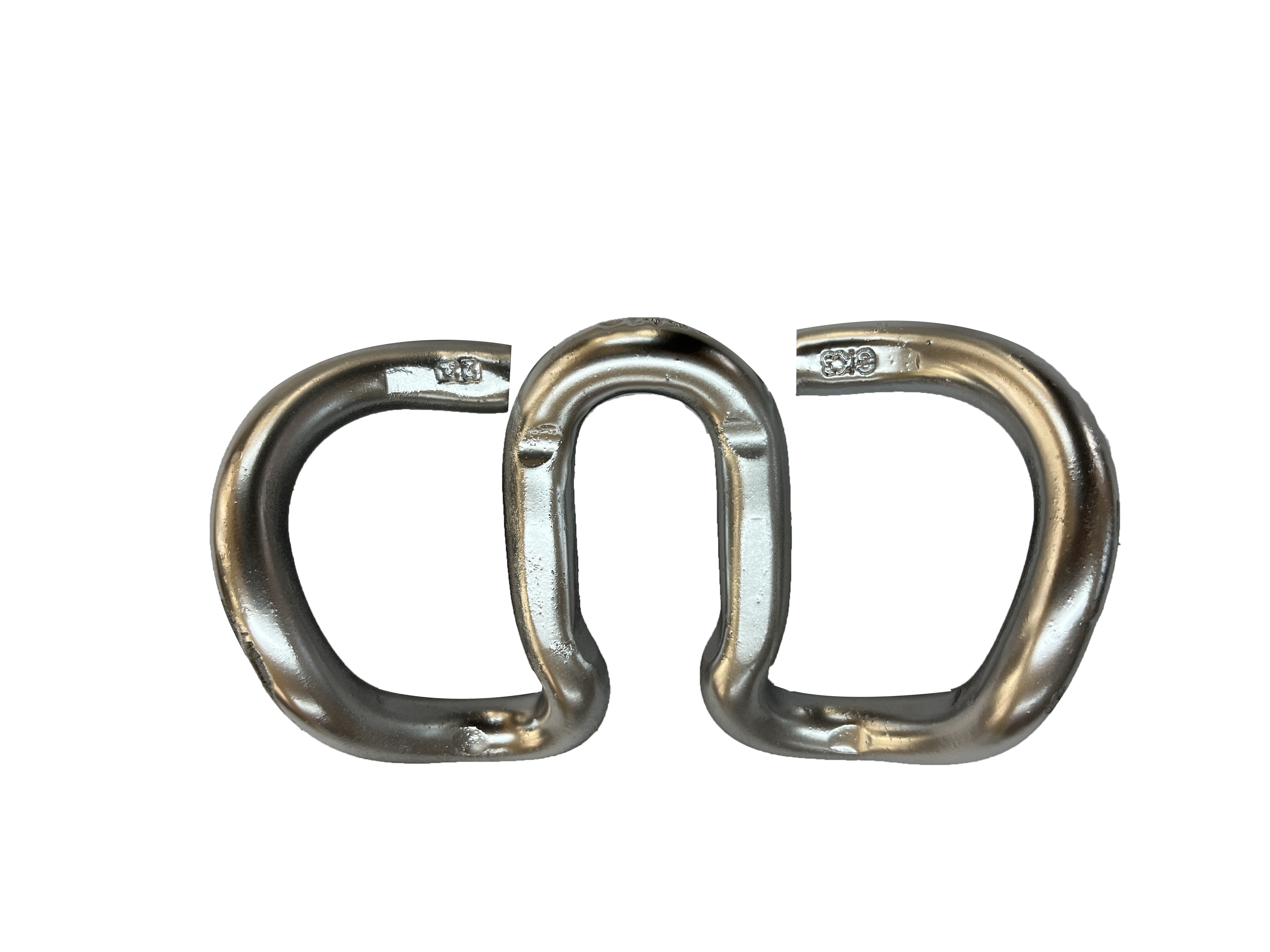
Rail clip
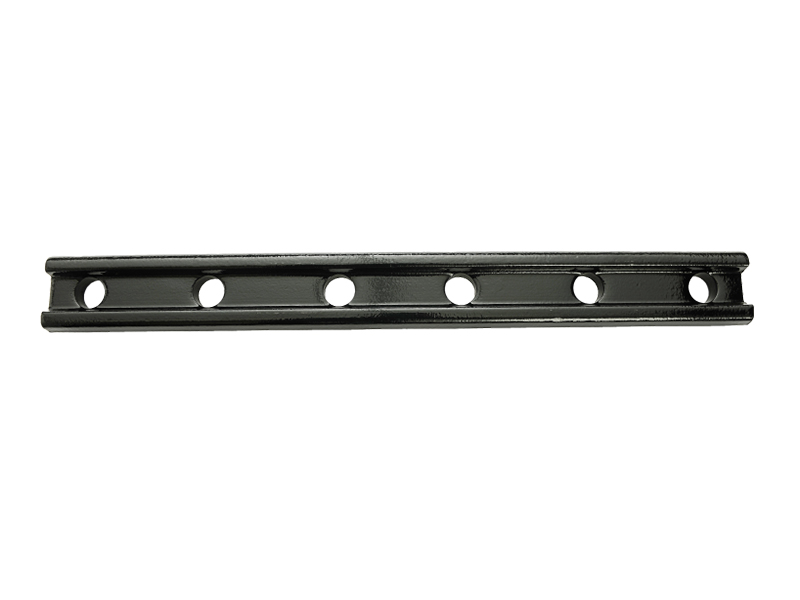
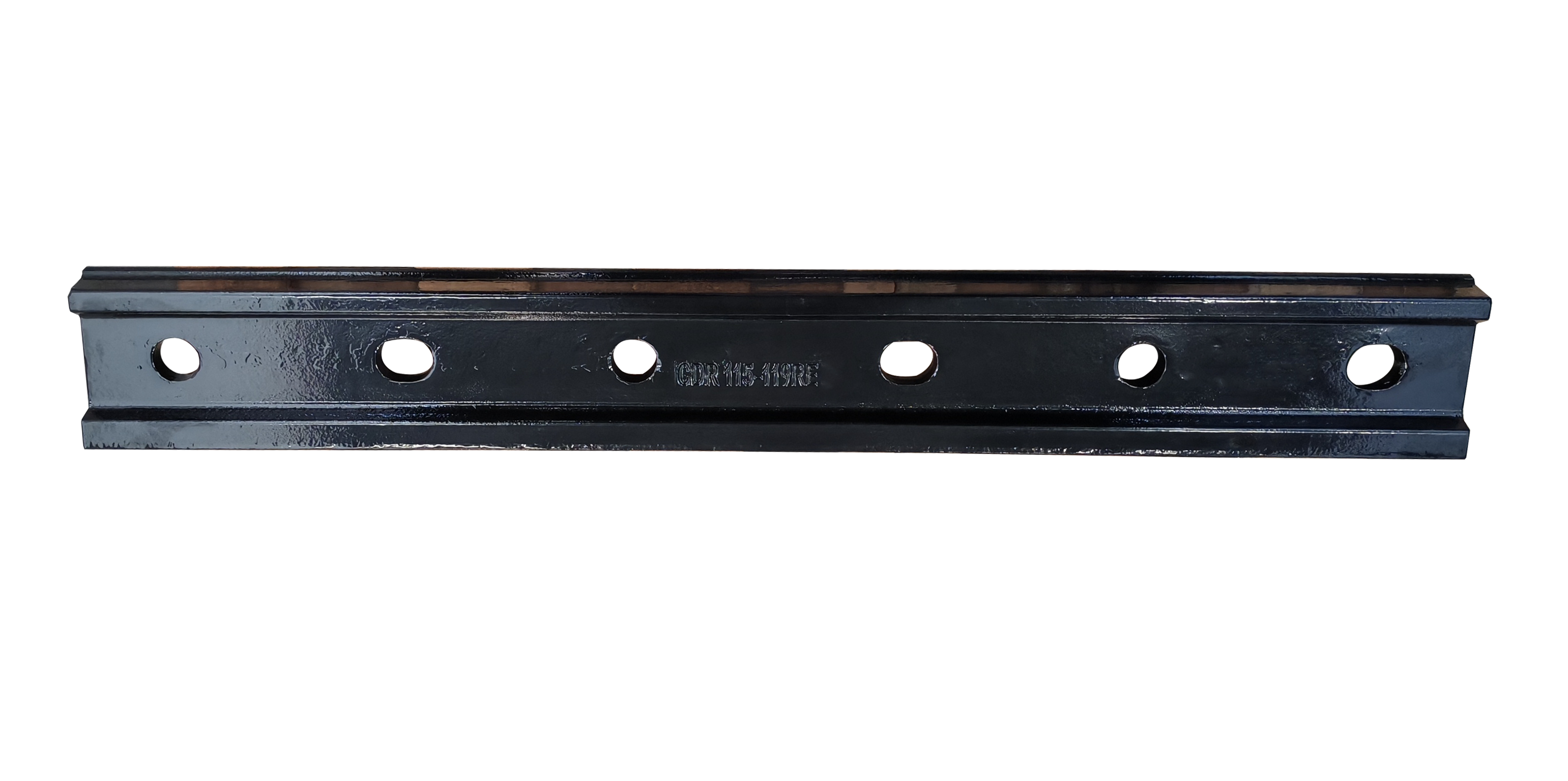
Fishplate
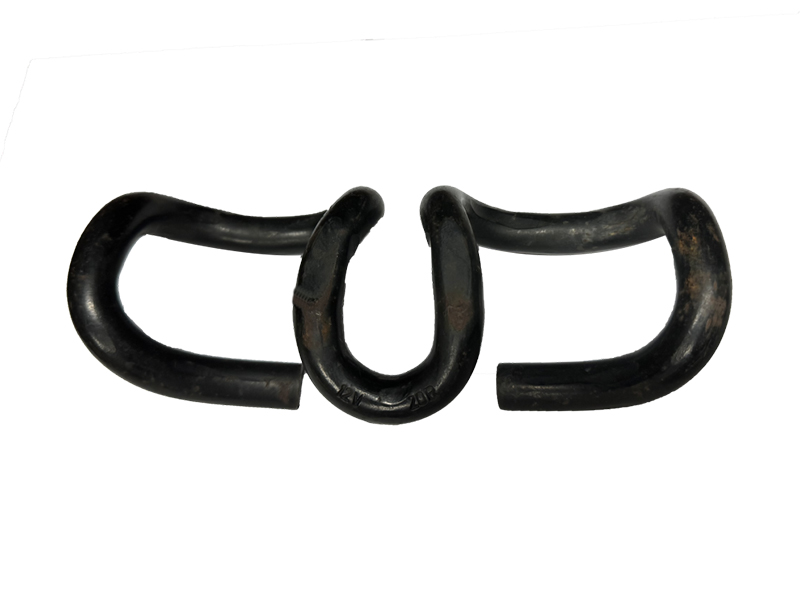
SKL14 rail clip
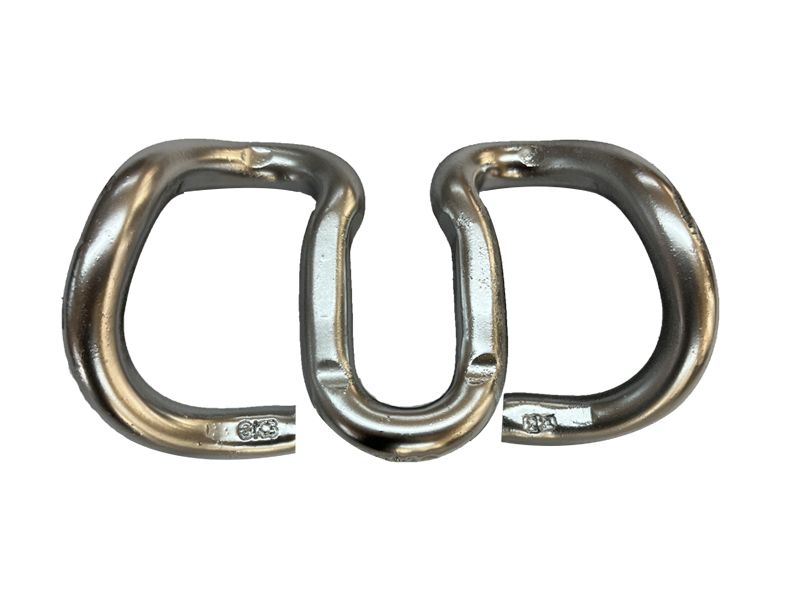
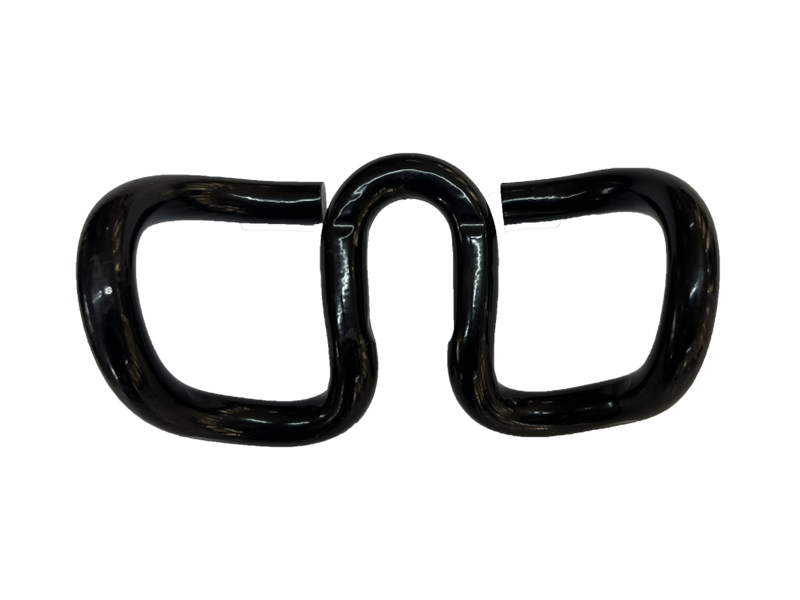
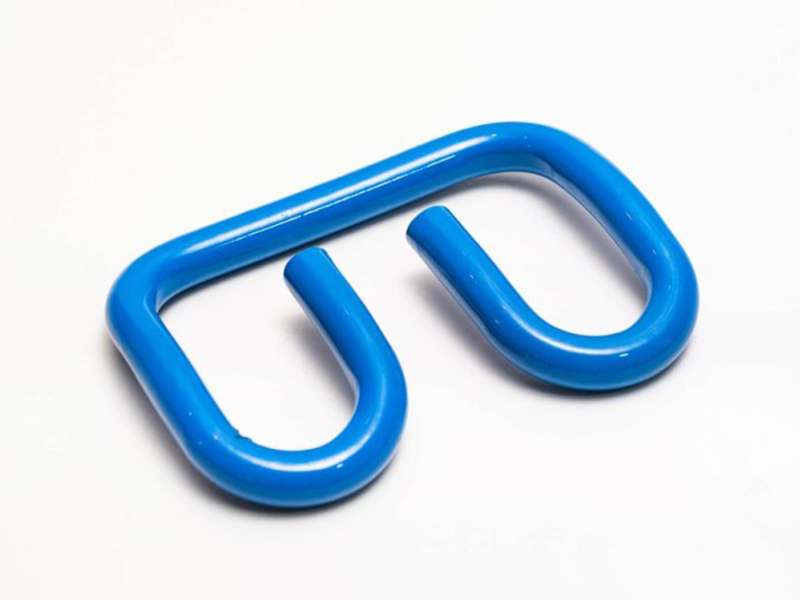
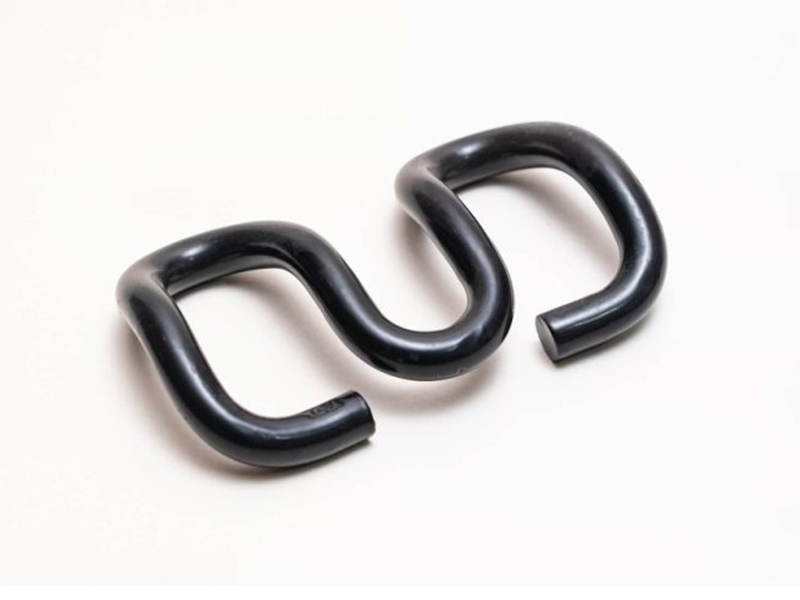
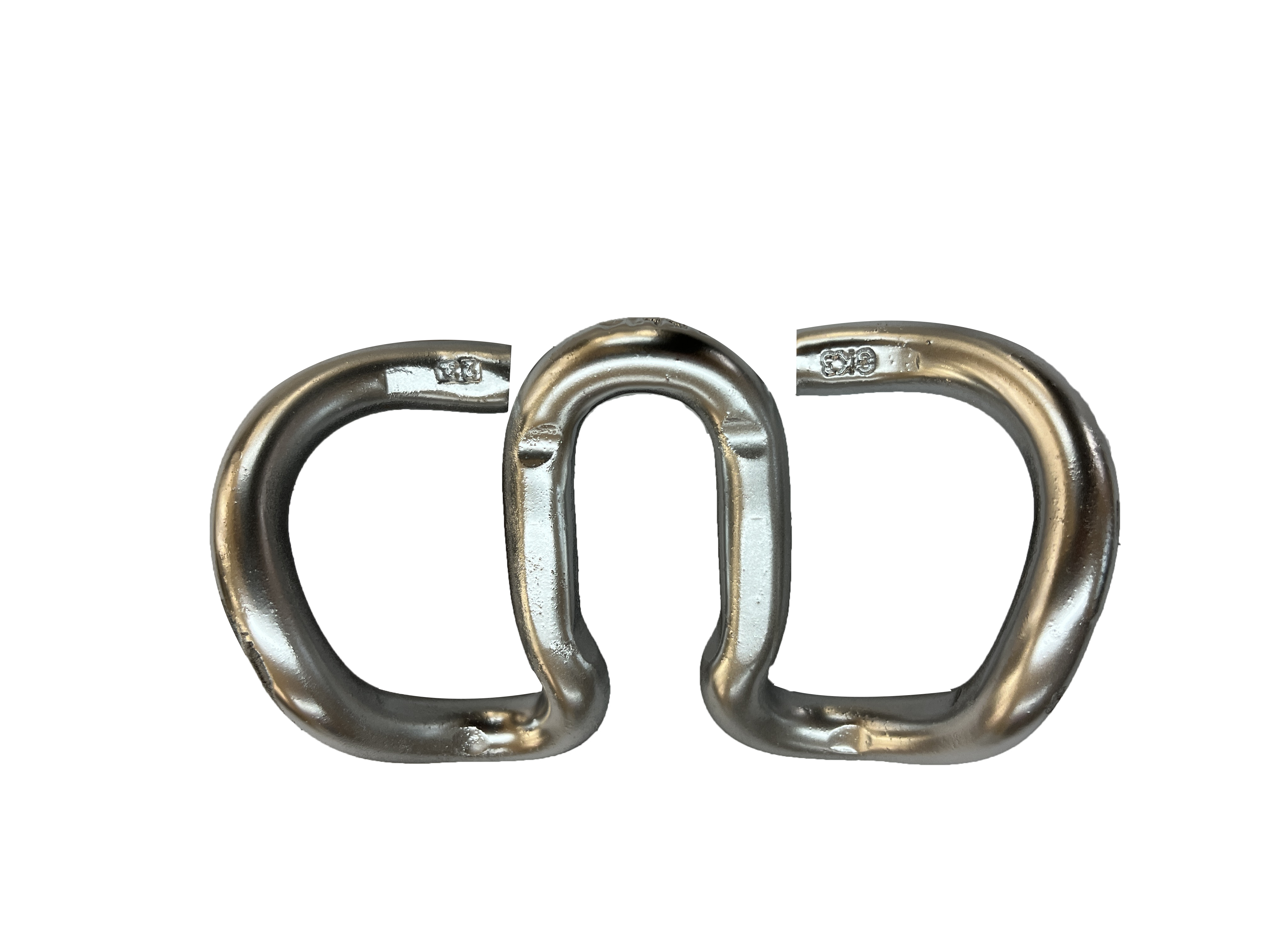
SKL14 Rail ClipThe SKL14 rail clip is a widely used elastic fastening component in modern railway fastening systems. It is designed to firmly fasten the rail to the sleeper while allowing controlled elasticity to absorb vibration and dynamic loads generated by passing trains.SKL rail clips are commonly applied in high-speed railways, conventional railways, metro systems, and heavy-haul lines, ensuring long-term track stability and safety.Product FeaturesHigh elastic clamping force to securely fix railsExcellent fatigue resistance under repeated dynamic loadsStrong vibration and impact absorption performanceCorrosion-resistant surface treatment for long service lifeEasy installation and low maintenance costTechnical SpecificationsType: SKL14Material: Spring steel (60Si2Mn / equivalent)Surface Treatment: Black oxide / Galvanized / CustomizedApplication: Railway rail fastening systemStandard: DIN / UIC / Customer drawing(Specifications can be customized according to customer requirements.)ApplicationsThe SKL14 rail clip is suitable for:High-speed railway linesUrban rail transit (metro & light rail)Freight and heavy-haul railwaysBallasted and ballastless track systemsIt plays a critical role in maintaining correct rail gauge and preventing rail displacement.Advantages of Our SKL14 Rail ClipStable quality with strict production controlCompetitive price for large-volume supplyOEM & ODM services availableFast delivery and reliable export packagingRich experience in railway fastening system exportPackaging & DeliveryStandard export wooden pallets or steel palletsAnti-rust protection for sea transportationCustomized packaging availableContact UsIf you are looking for a reliable SKL14 rail clip manufacturer or supplier, please feel free to contact us for technical drawings, samples, or quotations.
+
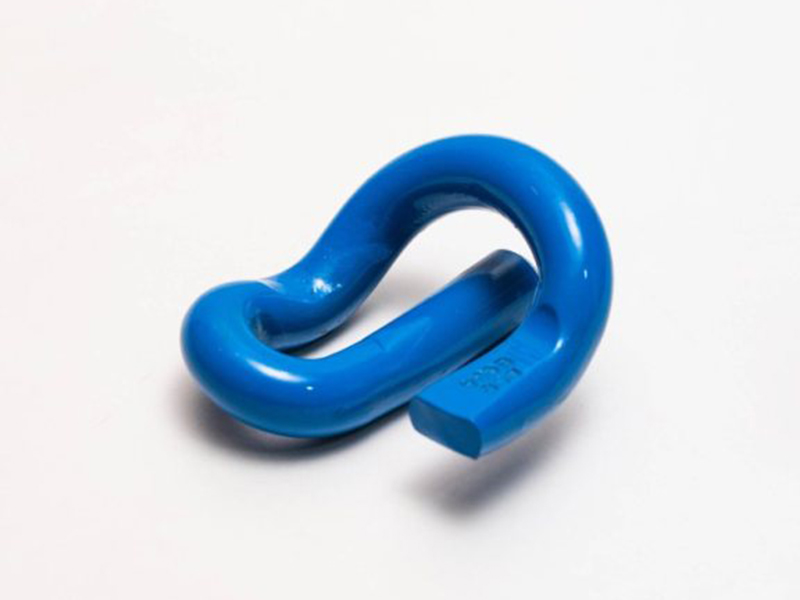
SKL-30 rail clip
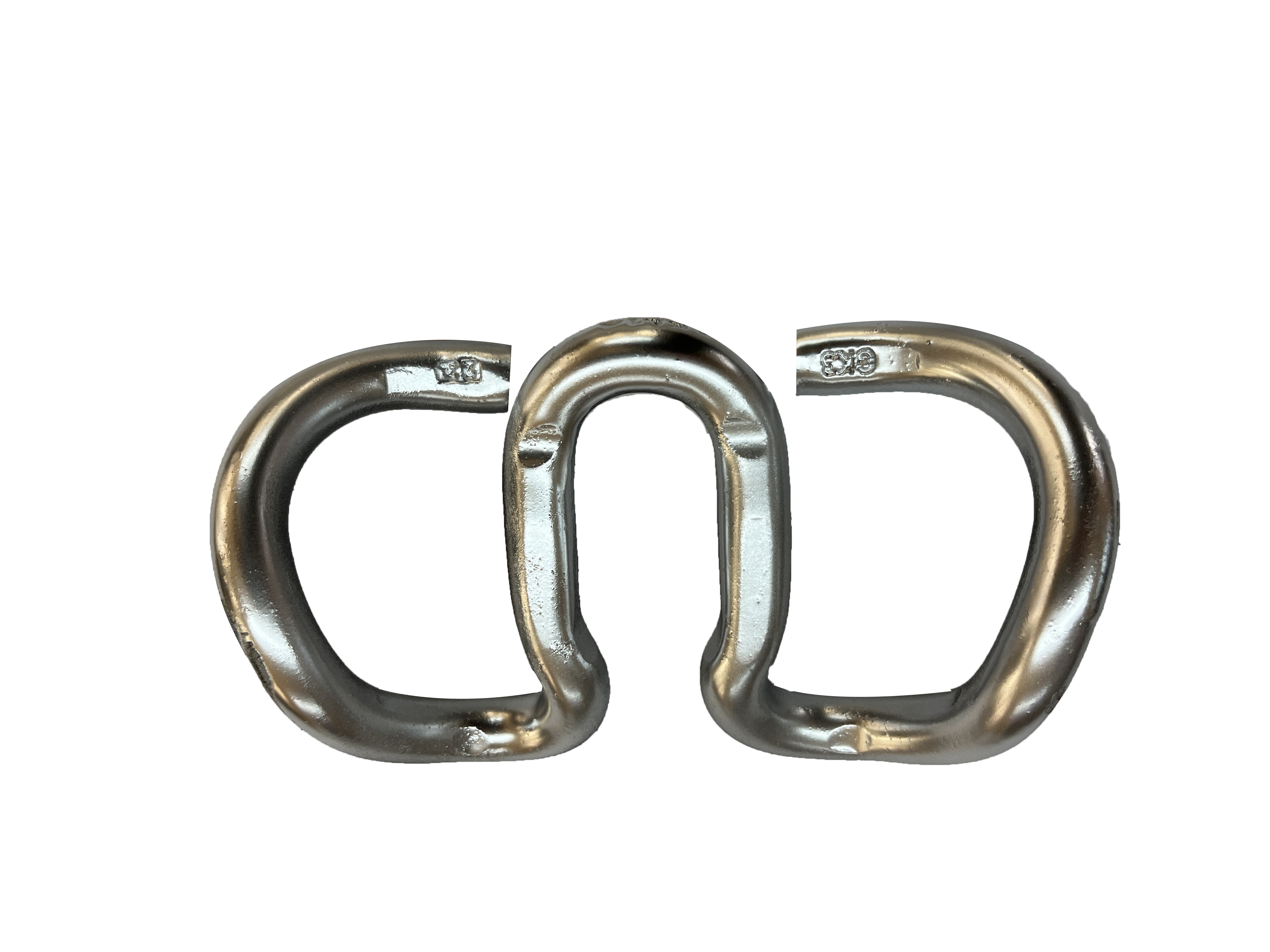
SKL-30 Rail ClipThe SKL-30 rail clip is a high-performance elastic fastening component used in railway track fastening systems. It is designed to provide reliable clamping force between the rail and sleeper while maintaining sufficient elasticity to absorb vibration and dynamic loads during train operation.SKL-30 rail clips are widely applied in mainline railways, high-speed rail systems, metro lines, and heavy-haul railways, ensuring track safety, stability, and long service life.Product FeaturesHigh elastic clamping force to prevent rail movementExcellent fatigue resistance under long-term cyclic loadingStrong vibration and noise reduction performanceHigh-strength spring steel materialCorrosion-resistant surface treatment suitable for outdoor environmentsTechnical SpecificationsType: SKL-30Material: Spring steel (60Si2Mn / equivalent)Surface Treatment: Black oxide / Galvanized / CustomizedApplication: Railway elastic fastening systemStandard: DIN / UIC / According to customer drawingsCustom specifications and surface treatments are available upon request.ApplicationsThe SKL-30 rail clip is suitable for a wide range of railway applications, including:High-speed railway tracksUrban rail transit systems (metro & light rail)Conventional passenger railwaysHeavy-haul and freight railway linesIt effectively maintains rail position and gauge accuracy while reducing track maintenance requirements.Advantages of Our SKL-30 Rail ClipStable quality with strict quality inspectionCompetitive pricing for bulk ordersOEM & ODM service supportedFast production and deliveryProfessional export experience in railway fastening productsPackaging & DeliveryExport-standard wooden or steel palletsAnti-rust protection for long-distance transportationCustomized packaging solutions availableContact UsIf you are looking for a reliable SKL-30 rail clip manufacturer or supplier, please contact us to obtain technical drawings, samples, or a quotation. Our team will provide professional support for your railway fastening projects.
+
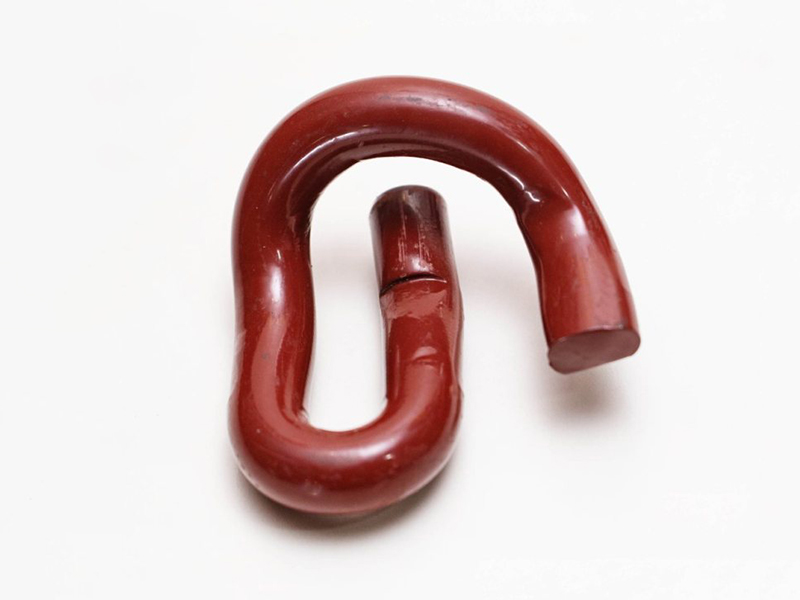
SKL-12 rail clip
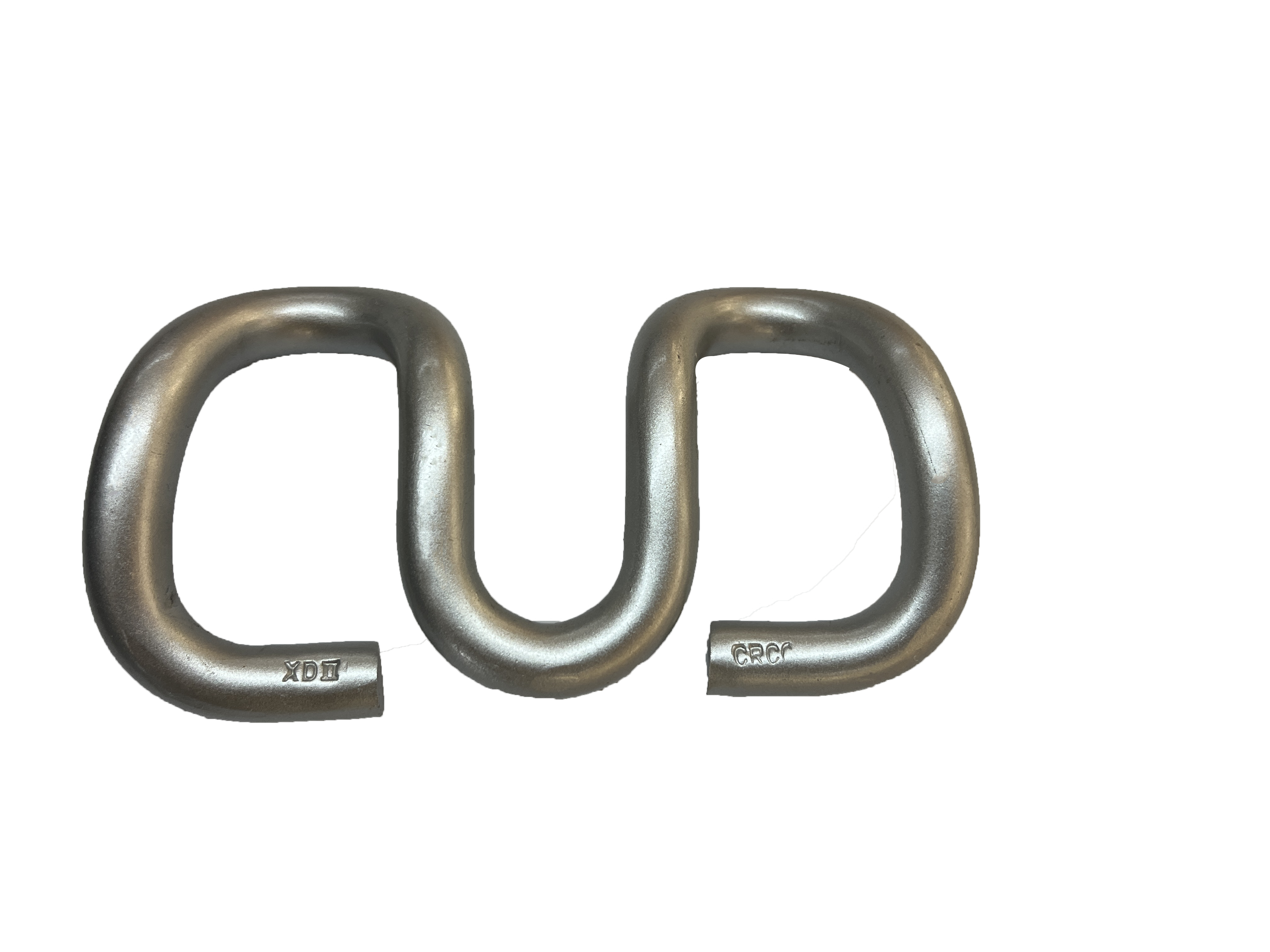
SKL-12 Rail ClipThe SKL-12 rail clip is a widely used elastic fastening component in railway track fastening systems. It is designed to securely fasten the rail to the sleeper while allowing controlled elastic deformation to absorb vibration and dynamic loads caused by train operations.SKL-12 rail clips are commonly applied in conventional railways, metro systems, and urban rail transit projects, where stable rail fixation and long-term performance are required.Product FeaturesReliable elastic clamping force to secure railsExcellent fatigue resistance under cyclic loadingEffective vibration and noise reductionManufactured from high-strength spring steelSuitable for various track structuresTechnical SpecificationsType: SKL-12Material: Spring steel (60Si2Mn / equivalent)Surface Treatment: Black oxide / Galvanized / CustomizedApplication: Elastic railway fastening systemStandard: DIN / UIC / According to customer drawingsCustom dimensions and surface treatments are available upon request.ApplicationsThe SKL-12 rail clip is suitable for:Conventional passenger railway linesUrban rail transit (metro & light rail)Industrial and freight railwaysBallasted and ballastless track systemsIt helps maintain correct rail gauge and track stability under long-term dynamic loads.Advantages of Our SKL-12 Rail ClipStable product quality with strict inspectionCompetitive pricing for bulk export ordersOEM & ODM customization supportedReliable delivery and export packagingExtensive experience in railway fastening supplyPackaging & DeliveryExport-standard wooden pallets or steel palletsAnti-rust and moisture protectionCustomized packaging availableContact UsIf you are looking for a trusted SKL-12 rail clip manufacturer or supplier, please contact us for technical drawings, samples, and quotations. We are ready to support your railway fastening projects worldwide.
+
Insulated Fishplate
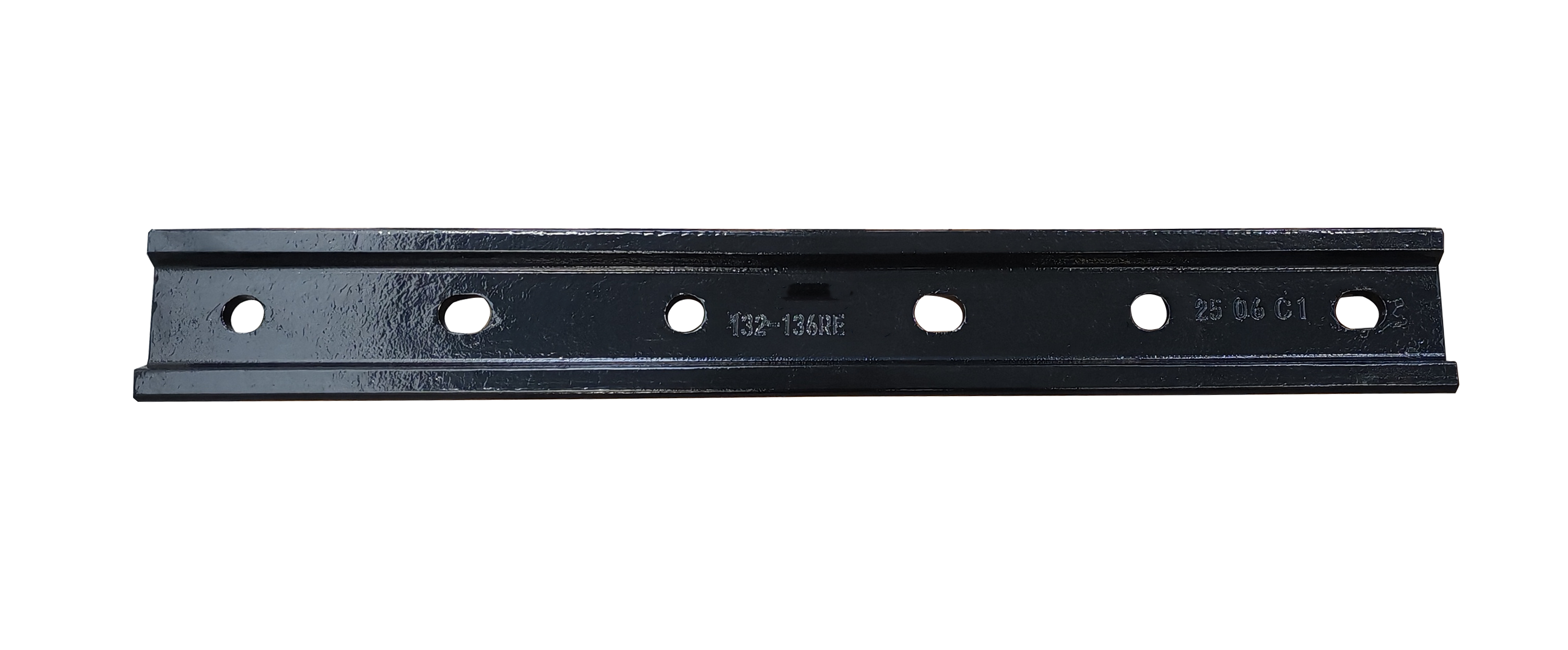
Insulated FishplateThe insulated fishplate is a critical component of railway insulated joints, designed to provide electrical insulation between adjacent rail sections while maintaining reliable mechanical strength. It is widely used in railway track circuits and signaling systems to ensure accurate train detection and safe operation.Insulated fishplates are commonly applied in mainline railways, metro systems, and industrial railways, where both mechanical performance and electrical insulation are required.Product FeaturesExcellent electrical insulation performanceHigh mechanical strength for rail joint stabilityReliable resistance to vibration and impactDurable insulating materials with long service lifeSuitable for various rail profiles and standardsTechnical SpecificationsProduct Type: Insulated Fishplate / Insulated Joint BarMaterial: High-strength steel fishplate + insulation materialInsulation Material: Nylon / Glass fiber reinforced plastic (GFRP) / CustomizedApplication: Railway insulated joint and track circuitRail Standard: UIC / AREMA / BS / CustomizedInsulation material and dimensions can be customized according to project requirements.ApplicationsInsulated fishplates are mainly used for:Railway track circuit systemsRailway signaling and detection systemsMetro and urban rail transitConventional and freight railway linesThey ensure reliable electrical isolation while maintaining correct rail alignment and load transfer.Advantages of Our Insulated FishplatesStable quality and strict quality controlStrong insulation performance verified by testingCompetitive pricing for bulk supplyOEM & ODM customization supportedExtensive export experience in railway componentsPackaging & DeliveryExport-standard wooden palletsAnti-moisture and anti-rust protectionCustomized packaging solutions availableContact UsIf you are looking for a professional insulated fishplate manufacturer or supplier, please contact us for technical drawings, samples, or quotations. Our team will provide reliable solutions for your railway insulated joint projects.
+
E-Type Rail Clip for Railway Fastening System
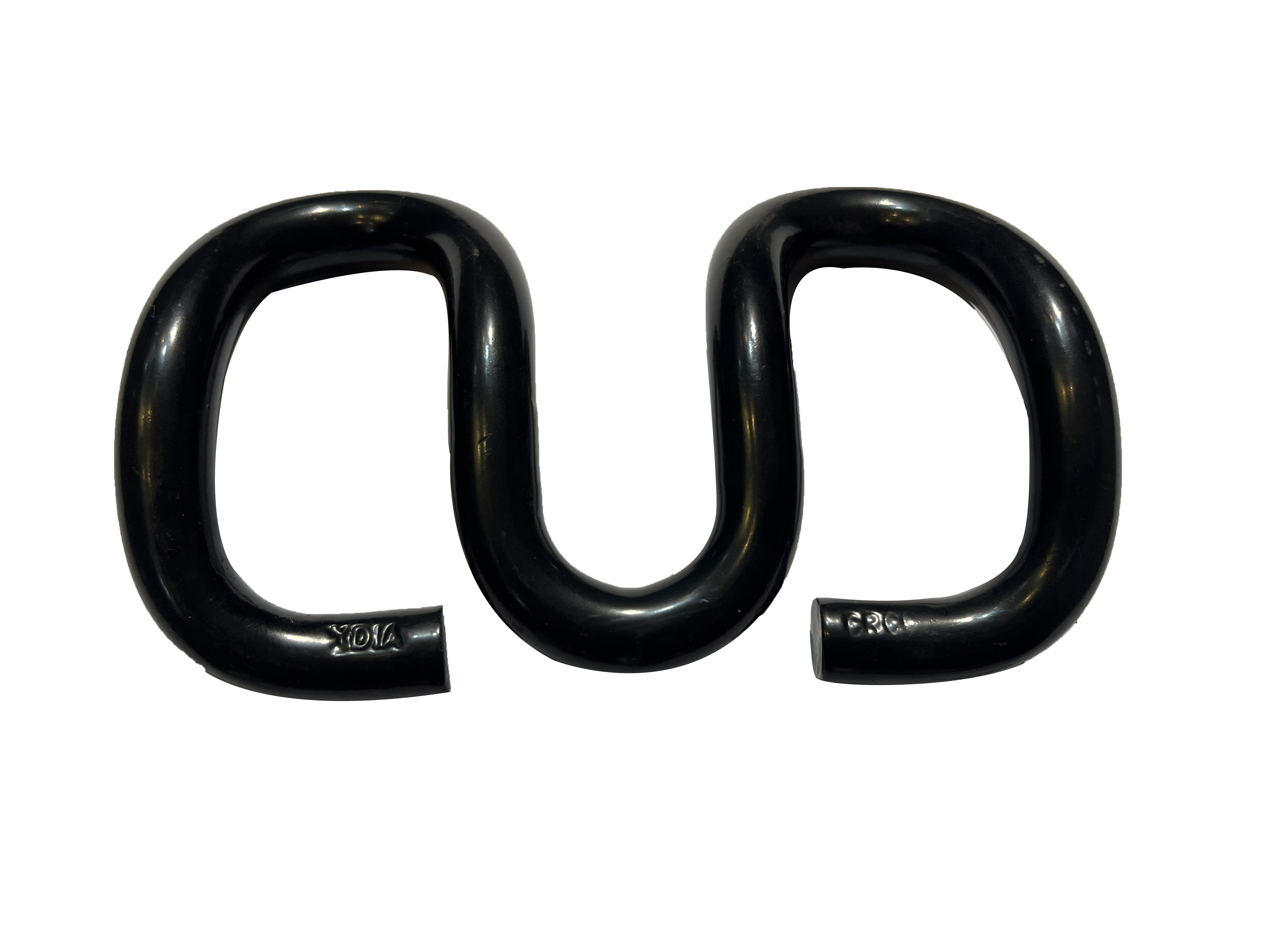
E-Type Rail Clip, also known as E-type elastic rail clip, is a widely used railway fastening component designed to securely fix rails to sleepers or base plates. It provides stable clamping force, absorbs vibration, and maintains rail position under dynamic train loads.E-type rail clips are commonly applied in railway track construction, metro systems, and heavy-haul railways, and are compatible with various railway fastening systems.Manufacturing Process of E-Type Rail ClipTo ensure reliable performance and long service life, E-type rail clips are manufactured through a strictly controlled production process.1. Raw Material SelectionHigh-quality spring steel is selected, such as:60Si2Mn55SiCrOther equivalent alloy spring steelsAll raw materials are inspected for chemical composition and mechanical properties before production.2. Hot Forming and BendingSteel bars are heated and formed into E-type shape using automatic hot forming and bending equipment, which ensures:Accurate geometryUniform internal structureStable elastic properties3. Heat TreatmentHeat treatment is a key process to achieve optimal elasticity and strength:Quenching and temperingControlled hardness and elastic recoveryThis ensures the rail clip maintains long-term clamping force under repeated train loads.4. Surface TreatmentDifferent surface treatments are available to improve corrosion resistance:Hot-dip galvanizingMechanical galvanizingBlack oxide finishSurface treatment helps extend service life in outdoor and corrosive environments.5. Quality InspectionEach batch of E-type rail clips undergoes:Dimensional inspectionElastic force testingFatigue and surface quality checksOnly qualified products are released for delivery.Performance CharacteristicsE-type rail clips provide reliable mechanical performance in railway fastening applications:High elastic clamping force for secure rail fixationExcellent fatigue resistance for long-term useStrong vibration damping, reducing rail movementStable gauge maintenance under heavy axle loadsGood corrosion resistance in various climatesThese features make E-type rail clips suitable for both conventional and heavy-duty railway systems.ApplicationsRailway fastening systemsConcrete sleeper trackHeavy-haul railway linesMetro and urban rail transitRailway track maintenance and renewalWhat Customers Care About MostBased on international railway projects and export experience, customers usually focus on the following points:✔ Elastic Performance ConsistencyStable and uniform clamping force is critical for railway safety. Our E-type rail clips are tested to ensure consistent elasticity.✔ Compatibility with Rail SystemsE-type rail clips can be manufactured according to drawings, samples, or specific railway standards, ensuring full compatibility.✔ Durability and Service LifeHigh fatigue resistance and corrosion protection help reduce maintenance frequency and operating costs.✔ Quality Control and TraceabilityStrict inspection procedures ensure dimensional accuracy and mechanical reliability for every batch.✔ Stable Supply and DeliveryMass production capability supports large-volume orders and long-term project supply.Why Choose Our E-Type Rail ClipsProfessional railway fastener manufacturerAdvanced production and testing equipmentStrict quality management systemCompetitive factory-direct pricingRich export experienceOEM and ODM services are available to meet different project requirements.
+
E2056 Rail Elastic Clip for Railway Fastening System
E2056 Rail Elastic Clip is a widely used railway fastening component designed to securely fasten rails to sleepers. It provides stable clamping force, absorbs vibration, and maintains rail gauge under dynamic loads.E2056 elastic clips are commonly applied in concrete sleeper track systems, especially for heavy-load railways, metro lines, and conventional railway tracks.Manufacturing Process of E2056 Rail Elastic ClipTo ensure consistent quality and long-term performance, E2056 rail elastic clips are manufactured through a strictly controlled production process.1. Raw Material SelectionHigh-quality spring steel is selected, such as:60Si2Mn55SiCrOr equivalent alloy spring steelEach batch of raw material is tested for chemical composition and mechanical properties before production.2. Hot FormingSteel bars are heated and bent into shape using automatic hot forming equipment, ensuring:Accurate clip geometryUniform internal structureStable elastic performance3. Heat TreatmentHeat treatment is a critical step to achieve optimal elasticity and strength:Quenching and tempering processControlled hardness and resilienceThis process ensures the rail clip maintains its clamping force under long-term cyclic loads.4. Surface TreatmentTo improve corrosion resistance, surface treatment options include:Hot-dip galvanizingMechanical galvanizingBlack oxide finishSurface treatment extends service life, especially in outdoor and humid environments.5. Final InspectionEach batch of E2056 rail clips undergoes:Dimensional inspectionElastic force testingVisual and surface quality checksOnly qualified products are approved for delivery.Performance CharacteristicsThe E2056 rail elastic clip offers excellent performance in railway fastening applications:High elastic clamping force, ensuring secure rail fixationExcellent fatigue resistance for long-term service lifeStrong vibration damping, reducing rail movementStable rail gauge maintenance under heavy axle loadsGood corrosion resistance, suitable for various climatesThese characteristics make the E2056 elastic clip a reliable solution for modern railway systems.Application AreasConcrete sleeper railway tracksRailway fastening systemsHeavy-haul railway linesMetro and urban rail transitRailway track maintenance and renewalWhat Customers Are Most Concerned AboutBased on long-term export experience, customers usually focus on the following points:✔ Elastic PerformanceConsistent clamping force is essential. Our E2056 rail clips are tested to ensure stable elastic behavior throughout their service life.✔ CompatibilityE2056 clips are designed to match standard rail fastening systems and can be supplied according to drawings, samples, or technical specifications.✔ DurabilityHigh fatigue resistance and corrosion protection help reduce replacement frequency and maintenance costs.✔ Quality ControlStrict inspection procedures ensure dimensional accuracy, mechanical strength, and surface quality.✔ Reliable SupplyStable production capacity supports bulk orders and long-term project cooperation.Why Choose Our E2056 Rail Elastic ClipsProfessional railway fastener manufacturerAdvanced production equipmentStrict quality management systemCompetitive factory-direct pricingRich export experienceWe provide OEM and ODM services and can customize products according to different railway standards and project requirements.ConclusionThe E2056 Rail Elastic Clip is an essential component of modern railway fastening systems, offering high elasticity, durability, and reliable rail fixation. It is widely used in railway construction and maintenance projects worldwide.If you are looking for a trusted E2056 rail elastic clip supplier, please contact us for technical details, drawings, and quotations.
+
II-type rail clip
Product OverviewFishplate, also known as rail joint bar, is a critical railway fastening component used to connect two rail ends securely. It ensures rail alignment, load transfer, and track continuity, playing an essential role in maintaining railway safety and stability.Our fishplates are widely used in railway construction, track maintenance, metro lines, and heavy-haul railways, and are manufactured in strict accordance with international railway standards.Manufacturing Process of FishplateTo ensure high strength and long service life, our fishplates are produced through a controlled and standardized manufacturing process:1. Raw Material SelectionWe use high-quality carbon steel or alloy steel, such as:45# steel50# steelCustomized material according to customer requirementsAll raw materials are tested for chemical composition and mechanical properties before production.2. Forging or RollingFishplates are manufactured by:Hot forging orHot rolling processThis process improves internal grain structure, enhances strength, and ensures uniform mechanical performance.3. CNC MachiningPrecision machining ensures:Accurate hole positioningSmooth contact surface with railsTight dimensional toleranceThis guarantees perfect compatibility with rail profiles.4. Heat TreatmentHeat treatment is applied to achieve:High tensile strengthImproved hardnessExcellent fatigue resistance5. Surface TreatmentAccording to application environment, we offer:Black oxide finishHot-dip galvanizingAnti-corrosion coatingThis significantly improves corrosion resistance and service life.Performance CharacteristicsOur railway fishplates offer the following key advantages:High mechanical strength for heavy axle loadsExcellent fatigue resistance under long-term vibrationStable rail joint connection, reducing rail displacementGood corrosion resistance for harsh outdoor environmentsLong service life, minimizing maintenance costsThese performance features make our fishplates suitable for both standard railway lines and heavy-duty rail systems.Types of Fishplates We SupplyWe can manufacture fishplates for various rail standards, including:P50 FishplateP60 FishplateP65 FishplateUIC54 / UIC60 FishplateAREMA FishplateCustomized fishplate according to drawings or samplesOEM and ODM services are available.What Customers Care About MostFrom our experience in railway fastener export, customers are usually concerned about:✔ Product CompatibilityWe ensure fishplates match the exact rail section and drilling standard required by the customer.✔ Quality ConsistencyEach batch undergoes:Dimensional inspectionMechanical testingSurface quality control✔ Competitive PriceFactory-direct supply helps customers reduce procurement cost without compromising quality.✔ Stable Delivery TimeStandard products are available for fast delivery, supporting urgent railway maintenance projects.✔ Export ExperienceOur fishplates have been exported to Asia, Africa, the Middle East, South America, and Europe, meeting different railway standards and project requirements.ApplicationsRailway track constructionRail joint connectionTrack maintenance and repairHeavy-haul railway linesMetro and light rail systemsWhy Choose Our FishplatesProfessional railway fastener manufacturerStrict quality control systemRich export experienceCustomizable solutionsReliable after-sales supportIf you are looking for a reliable fishplate supplier for your railway project, please feel free to contact us for technical details and quotations.
+
P65 Fishplate
P65 Fishplate – Reliable Rail Joint Bar for Track ConnectionThe P65 fishplate, also known as a P65 rail joint bar, is a vital component used to connect adjacent rail sections in railway track systems. It is designed for use with P65 rails, providing a robust connection that ensures accurate rail alignment, mechanical stability, and efficient load transfer. P65 fishplates are essential in mainline railways, heavy-haul lines, and industrial rail networks, where performance and durability are critical.Production Process of P65 FishplateThe production of P65 fishplates involves several critical steps to ensure high-quality and precision:Material Selection: The fishplate is typically made from high-strength carbon steel, selected for its excellent mechanical properties, which provide the required strength and durability.Forging and Machining: The steel is heated and forged into the basic shape of the fishplate. Once cooled, it is precisely machined to ensure correct dimensions and a perfect fit for the rail profile.Surface Treatment: The fishplates are subjected to surface treatments such as galvanization, black oxide, or other corrosion-resistant coatings to enhance their durability, especially when exposed to harsh environmental conditions.Quality Control: Each P65 fishplate undergoes strict dimensional and mechanical testing to ensure it meets both international standards (UIC, DIN, BS) and the customer’s specific requirements. These quality checks ensure that the fishplates perform optimally in various railway track conditions.Performance of P65 FishplateThe P65 fishplate provides several key benefits that are essential for railway track systems:High Mechanical Strength: The fishplate is made from high-strength steel, ensuring the rail joint remains stable under heavy axle loads and dynamic forces from passing trains.Vibration Absorption: P65 fishplates help to absorb and distribute the vibrations generated by the moving trains, thus reducing stress on the rail and prolonging the lifespan of both the track and the rail.Corrosion Resistance: With proper surface treatment, such as galvanization or black oxide, P65 fishplates can withstand exposure to weather, moisture, and other corrosive elements, making them ideal for use in various climates.Long Service Life: Designed for durability, P65 fishplates ensure stable rail alignment and minimize track maintenance, resulting in reduced downtime and repair costs over time.Easy Installation and Maintenance: The design of the P65 fishplate allows for quick installation and easy maintenance, providing convenience for railway operators and reducing labor costs.Why Choose Our P65 Fishplates?When it comes to P65 fishplates, choosing the right supplier is crucial for the long-term performance of your track system. Here’s why customers trust our products:High-Quality Manufacturing: Our P65 fishplates are manufactured to the highest standards, ensuring they meet rigorous international specifications such as UIC, DIN, and BS.Customized Solutions: We offer customization options to meet your specific project requirements, including customized dimensions and surface treatments.Competitive Pricing: As a direct manufacturer, we provide highly competitive pricing for bulk orders, making our fishplates an affordable solution for large-scale railway projects.Efficient Delivery: We ensure fast and reliable delivery, with a well-established logistics network for international shipments, reducing lead time for customers.Strong After-Sales Support: Our experienced customer service team is available to support you with technical questions, installation guidelines, and after-sales assistance.Applications of P65 FishplatesThe P65 fishplate is suitable for use in:Mainline railway systemsHeavy-haul freight railwaysIndustrial railwaysMetro and urban rail transitTrack maintenance projectsIt provides a stable and durable solution for connecting P65 rail sections, maintaining track geometry, and ensuring the safety and stability of railway operations.Packaging & DeliveryPackaging: P65 fishplates are securely packed in standard export wooden pallets or steel pallets, ensuring safe delivery to international destinations.Delivery: We offer fast, reliable shipping options worldwide, ensuring that your order arrives on time and in excellent condition.Contact UsIf you are looking for a high-quality P65 fishplate manufacturer or supplier, please contact us for technical drawings, samples, or competitive quotations. Our team is ready to provide you with the best solution for your railway track projects.We also supply other rail joint bars, including P50, P60, and P75 fishplates.
+
1994
Establish Gaozhuang Steel Rolling Plant (First Factory Site)
1997
Enter the National Railway Supply List
2000
Expand new production lines and factories
2001
Become a well-known brand of railway products in China
2005
The independently developed bullet bar production line has started production.
2006
Sales revenue exceeded 100 million yuan
2008
Replace the factory with a new one, occupying an area of 100000 square meters.
2010
Qualified suppliers for large and medium-sized supply in the Ministry of Railways
2012
Signed a contract for the Hainan Island Railway Project.
2014
Sales revenue exceeded 300 million yuan
2016
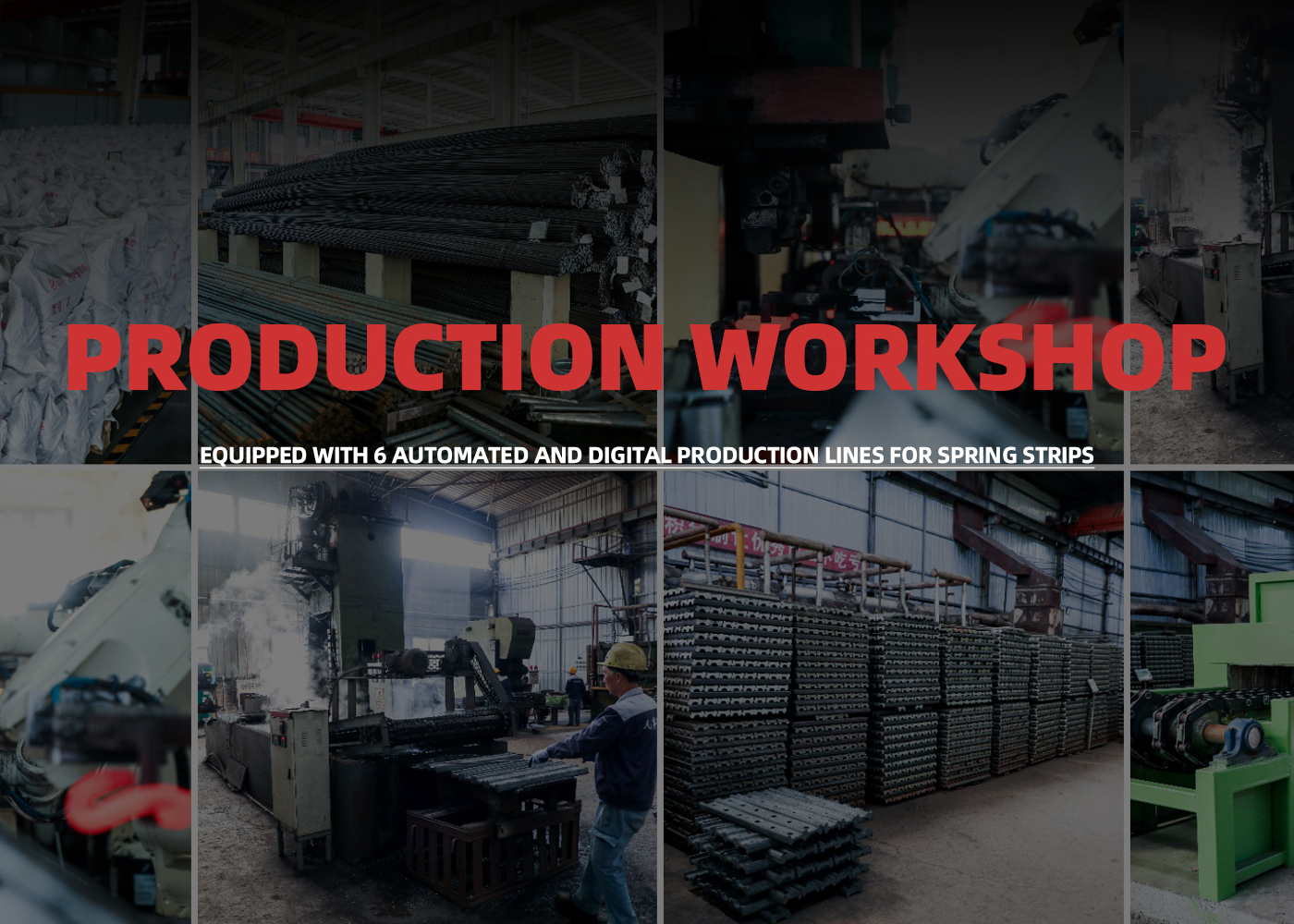
Implement automated production lines for spring strips and fishplates
2018
Passed the CRCC fastener system integration certification of China Railway Group
2020
The successful cooperation between the railway colleges and universities provides an experimental base for railway research and innovation
2022
Tax payment exceeds 10 million, setting an example for the industry
2024
Obtain high-quality supplier for satellite launch base railway project
About us
Xinda Railway Fastening system
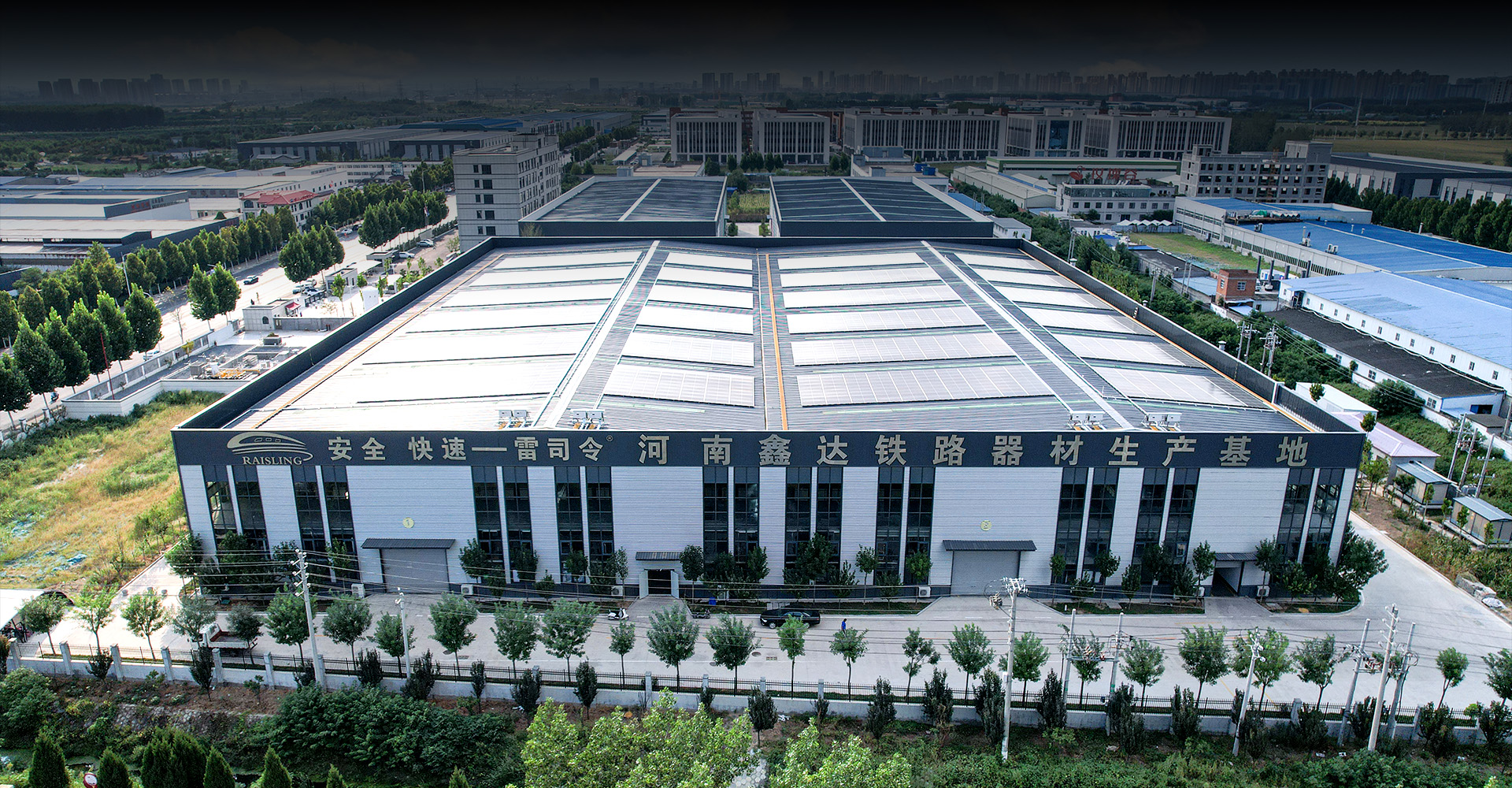
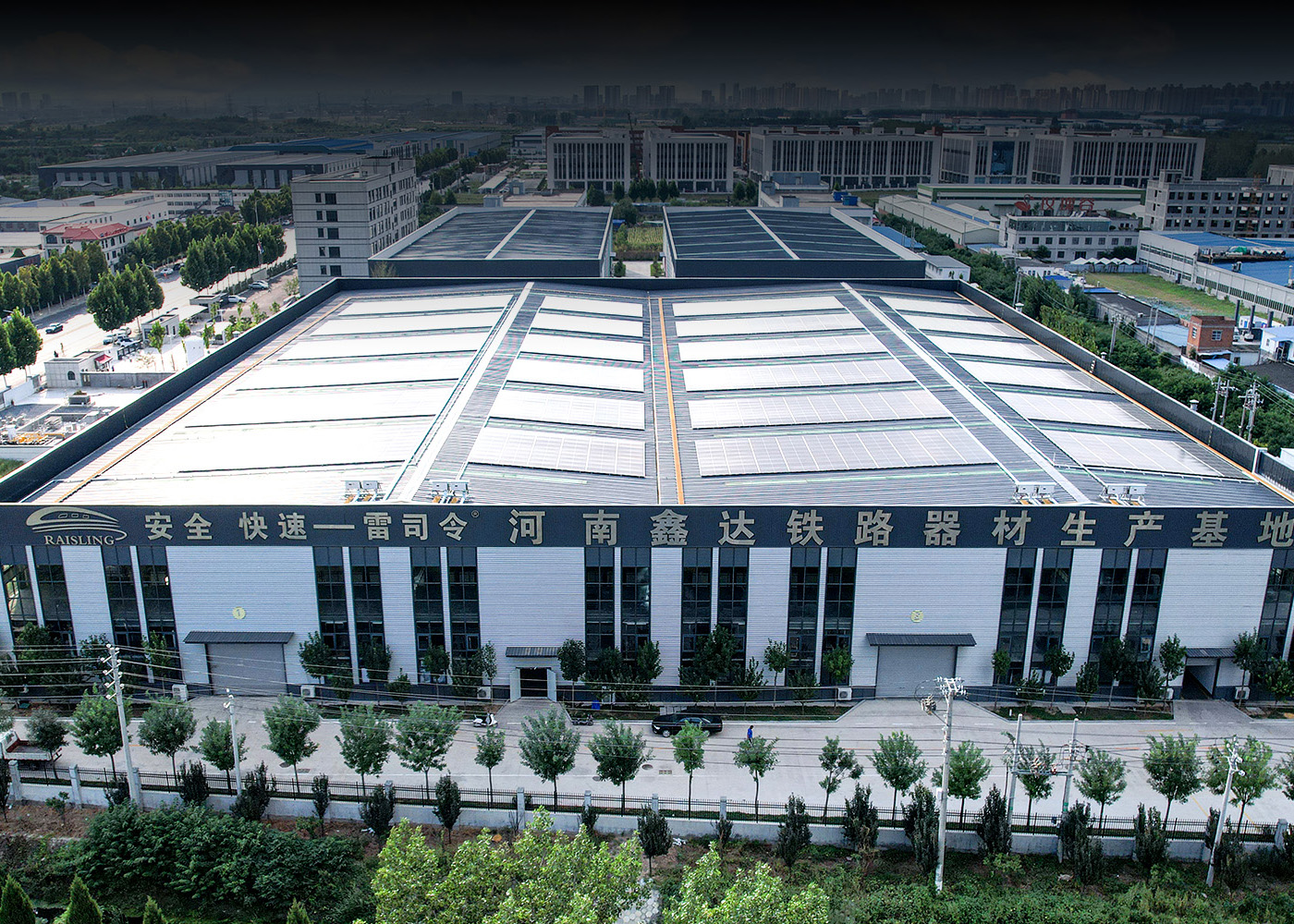
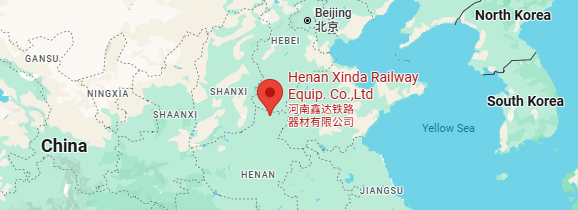
Henan Xinda Railway Equipment Co.,Ltd.is located at No.1,Gaobao Road,GaozhuangIndustrial Park,Urban-ruralIntegration DemonstrationZone,Anyang City,Henan Province.The company coversan area of 200 acres and has nearly 400 employeesincluding 56 technical R&D personnel.

The company iscommitted to its vision of "accelerating its growth tobecome the world's leading brand of rail fasteners,"adhering to the principles of safety first and speed winsand has established its leading position in the industry.
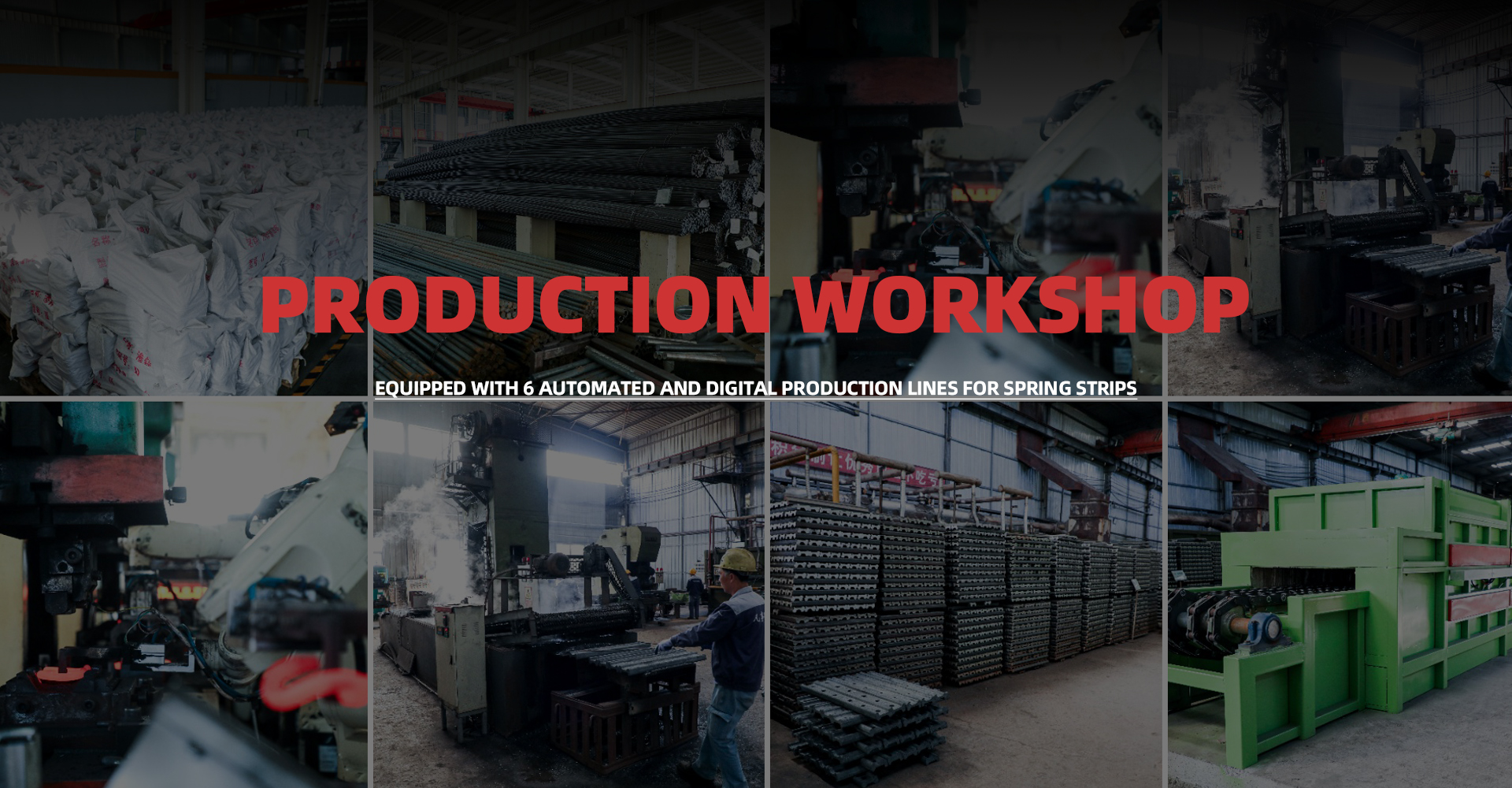
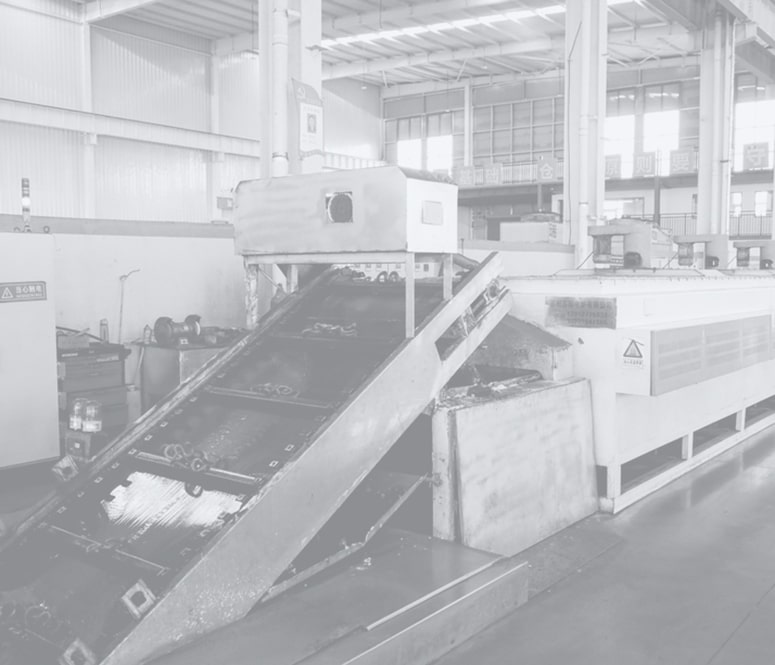
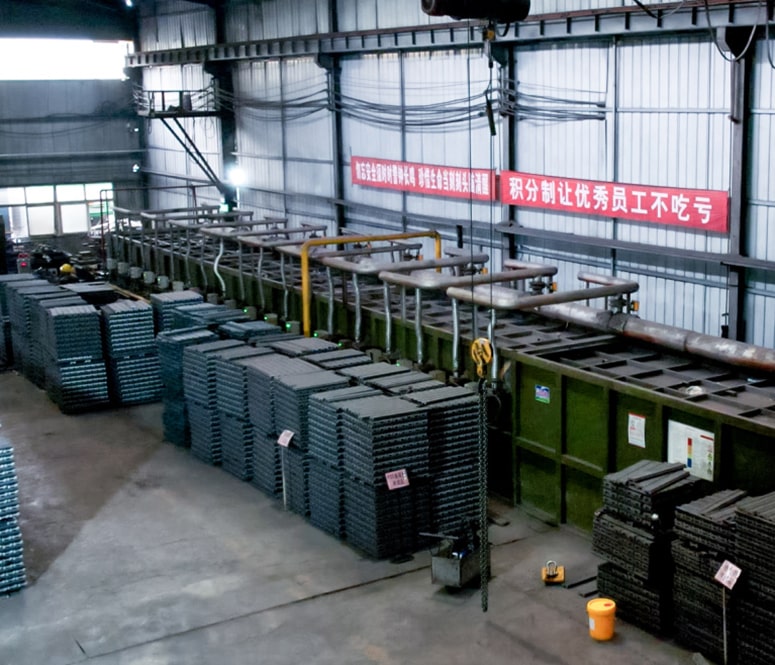
Rail clip Workshop
Rail clip Workshop

Henan Xinda Railway Equipment Co.,Ltd.is located at No.1,Gaobao Road,GaozhuangIndustrial Park,Urban-ruralIntegration DemonstrationZone,Anyang City,Henan Province.

Fishplate Workshop
Fishplate Workshop

Henan Xinda Railway Equipment Co.,Ltd. is located at No.1,Gaobao Road,GaozhuangIndustrial Park,Urban-ruralIntegration DemonstrationZone,Anyang City,Henan Province.

CASES
CASES
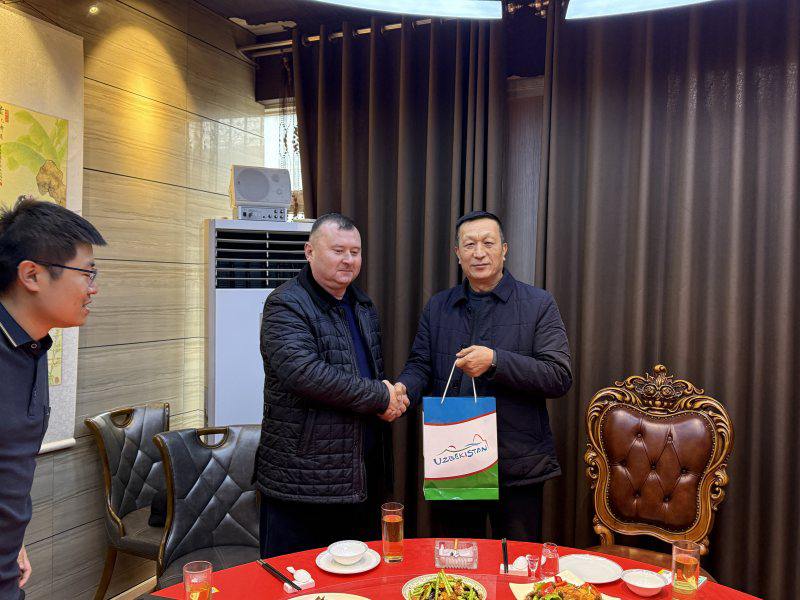
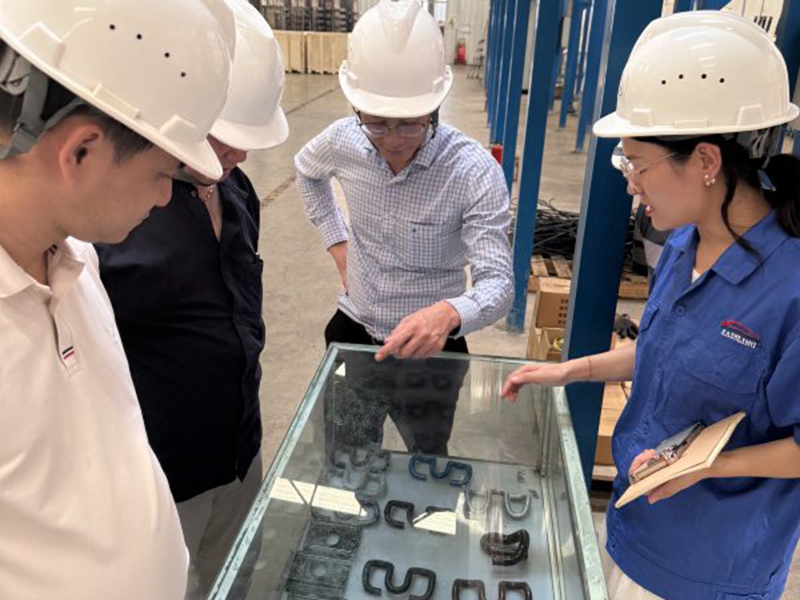
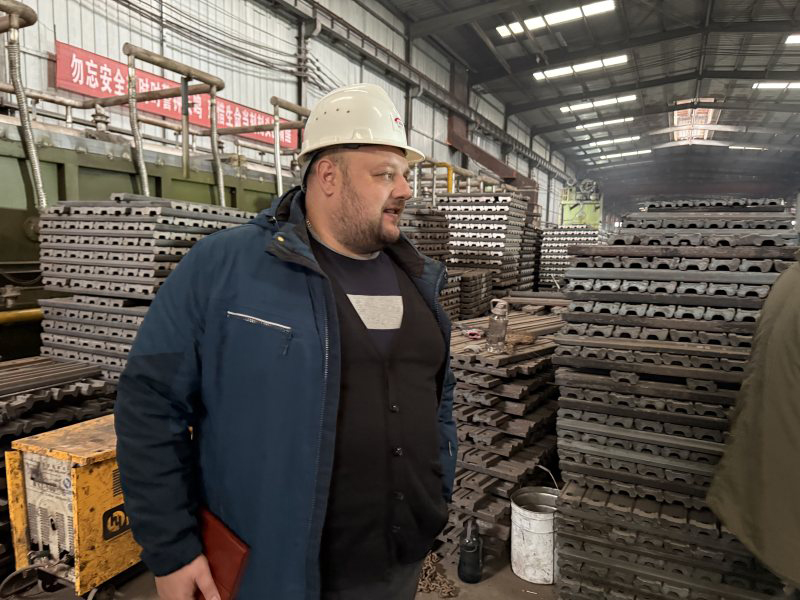
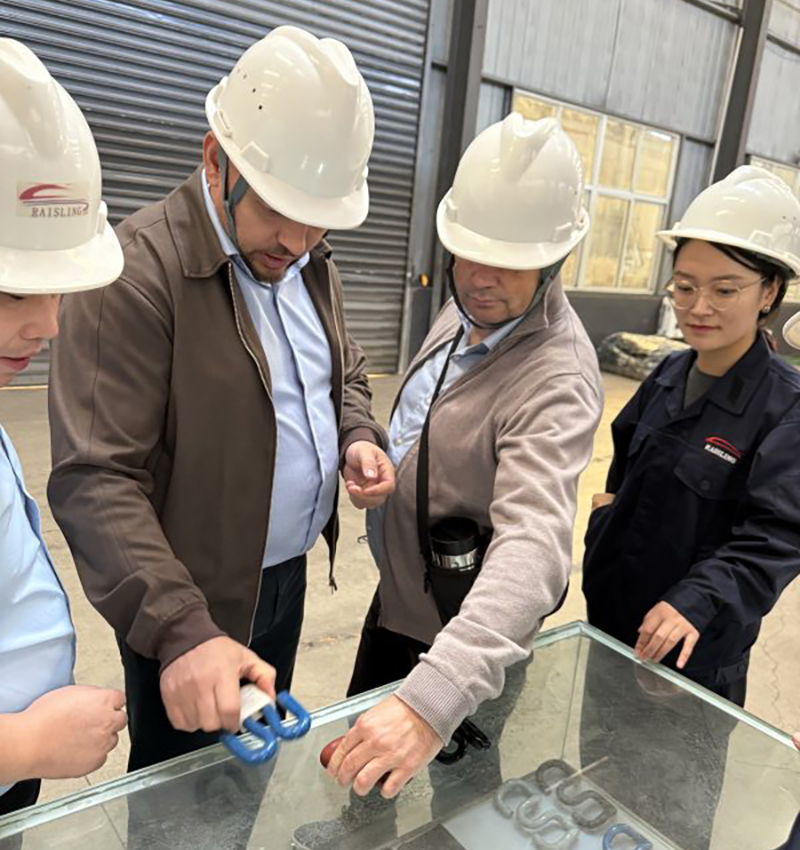
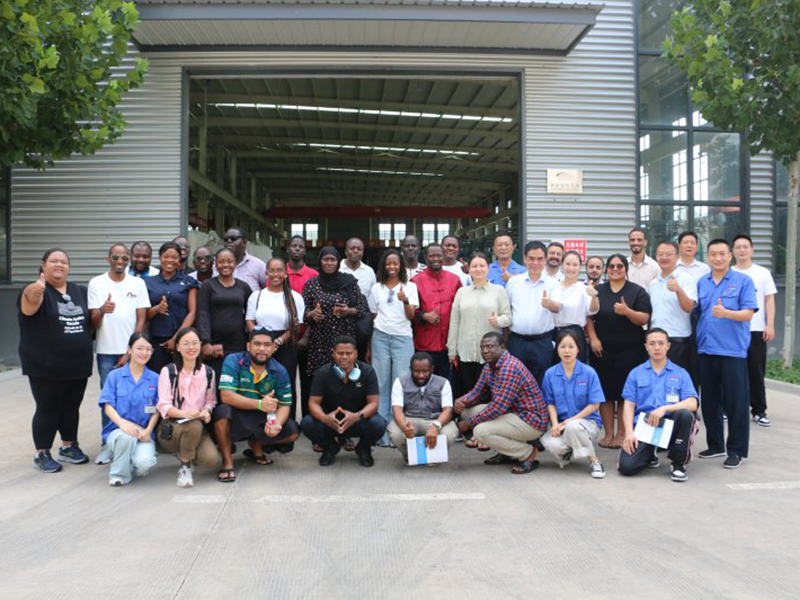
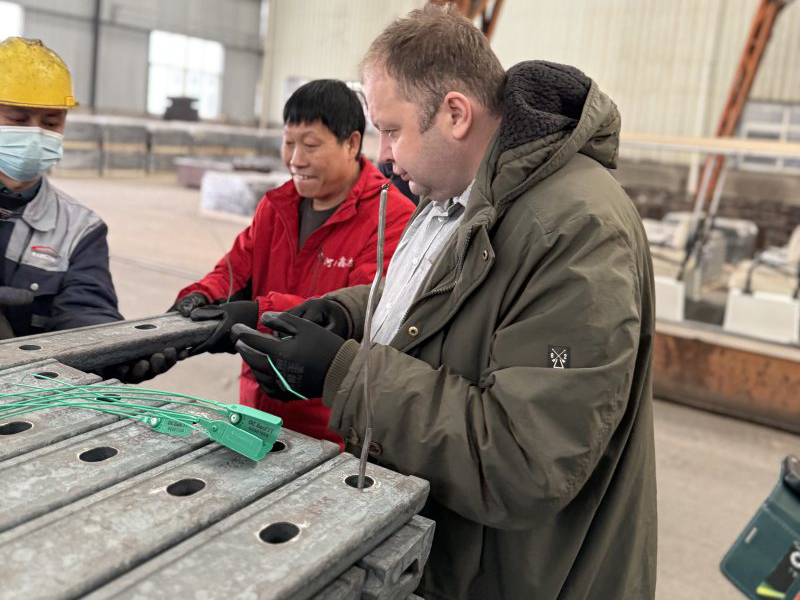
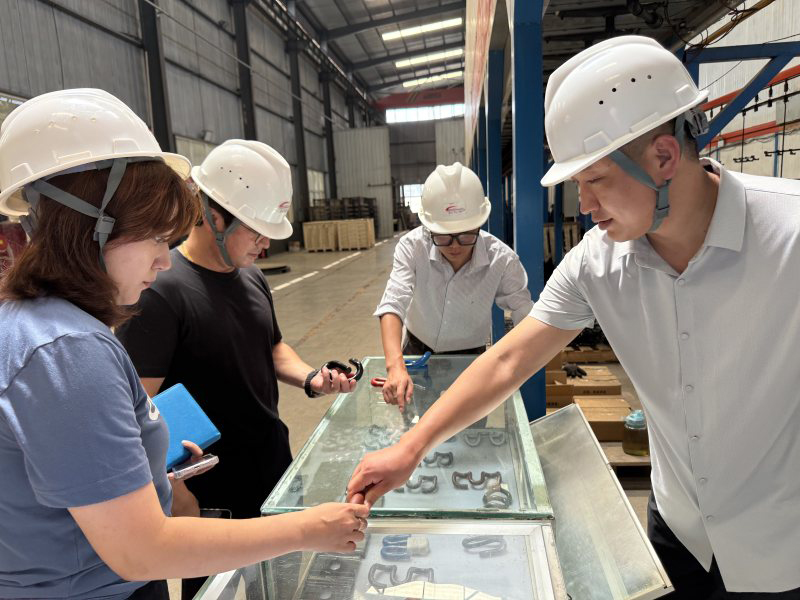
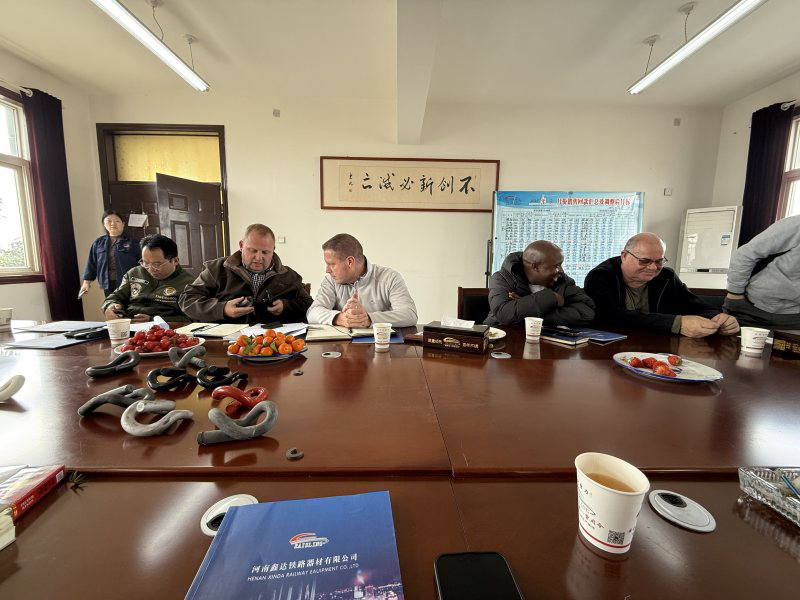
Customer Visit
The company has a secure and fast low-cost logistics system based on the changing needs of the client, and promises to deliver within 48 hours from the user's order to the designated location (to be determined through negotiation in remote areas)
Winning bids for over 100 national key railway construction projects

Altay to Fuyun to Installation Project

Construction of Second Line Project for Qinzhou to Fangchenggang Section

Designated supplier of materials for the Harrow Line in Xinjiang, China

Shenyang Baihe Railway Tonghua Ordinary Speed Railway Relocation Project

Zhangquanxiao Railway Baishe Water Conservancy Hub Project

Ningbo Lianqun Parking Lot Project

Hu Su Hu Railway Station Project

Shanghai Chongqing Chengdu High speed Railway Nanjing Hub Station

Jida Railway Engineering Project

Our senior consultants provide you with professional answers
NEWS
Explore Culture
Together
Better Tomorrow
To contribute to the global railway industry by providing customers with more cost-effective, superior, and high-quality development opportunities.
The Essential Role of Fishplates in Railway Infrastructure
Fishplates, often referred to as rail joints, are critical components in railway infrastructure that play a pivotal role in maintaining the integrity and safety of railway tracks. These metal plates are utilized to connect two sections of rail, effectively bridging the gap between them. Understanding the function and importance of fishplates can provide valuable insights into the operations of railFishplates, often referred to as rail joints, are critical components in railway infrastructure that play a pivotal role in maintaining the integrity and safety of railway tracks. These metal plates are utilized to connect two sections of rail, effectively bridging the gap between them. Understanding the function and importance of fishplates can provide valuable insights into the operations of rail transport systems.Primarily, fishplates are designed to ensure that the alignment and stability of the railway tracks are preserved. By securely connecting rail segments, they help to maintain a continuous and uniform surface for trains to travel on. This is crucial in preventing derailments and ensuring a smooth ride for passengers. The durability and strength of fishplates allow them to withstand the weight of heavy trains, as well as the dynamic forces exerted during operation.In terms of design, fishplates are typically made from high-strength steel to resist wear and tear, as they are subject to immense stress. They come in various sizes and configurations, tailored to meet specific requirements of different rail systems. The installation of fishplates is a meticulous process, involving precise alignment and fastening to ensure that they function effectively. Regular maintenance and inspection of fishplates are essential to detect any signs of wear or damage, which could compromise track safety.The importance of fishplates extends beyond just structural integrity. They also facilitate the expansion and contraction of rail due to temperature changes. As temperatures fluctuate, the rails expand and contract, and fishplates accommodate these movements without compromising the overall stability of the track. This feature is particularly important in regions with extreme weather conditions, where thermal stress can significantly affect the performance of railway infrastructure.Moreover, advancements in technology have led to the development of innovative fishplate designs that enhance performance and reduce maintenance needs. Some modern fishplates include features such as built-in sensors that monitor the condition of the rail joint, providing real-time data for maintenance teams.In conclusion, fishplates are indispensable components of railway systems, ensuring the safety, stability, and efficiency of train operations. Their role in connecting rail segments, accommodating thermal expansion, and maintaining track alignment cannot be overstated. Understanding the function and significance of fishplates not only highlights their critical nature in railway infrastructure but also underscores the commitment to safety and reliability in the transportation sector.
The Science Behind Fishplates: Connecting Rail Tracks Seamlessly
In the realm of rail transportation, the components that ensure safety and connectivity are often overlooked. One critical element is the fishplate, a seemingly simple yet pivotal device that plays an essential role in the effectiveness of rail systems. This article delves deep into the science behind fishplates, examining their design, functionality, materials, and overall impact on rail transport efficiency.
Understanding the Role of Fishplates in Rail Transportation
Fishplates, also known as rail connectors or joint bars, play a critical role in the integrity and functionality of rail systems. They are metal plates used to connect two sections of rail, ensuring a strong and stable link that facilitates smooth train movements. The primary purpose of fishplates is to maintain the alignment and continuity of rails, which is essential for safe and efficient railway operations.In terms of design, fishplates are typically made from high-strength steel or other durable materials to withstand the immense forces exerted by passing trains. They come in various sizes and shapes, tailored to specific rail profiles and operational requirements. The correct installation of fishplates is vital; they must be properly aligned and secured to prevent track instability, which could lead to derailments or accidents.There are two primary types of fishplates: standard and insulated. Standard fishplates are used to connect rails in most situations, allowing for electrical continuity along the rail line. Insulated fishplates, on the other hand, are designed to interrupt electrical circuits, commonly employed in tracks where signaling systems are in use. This differentiation is crucial for electrical train control systems, ensuring that signals function correctly and train movements are safely coordinated.The maintenance of fishplates is a critical aspect of railway safety. Regular inspections are necessary to detect wear and tear, corrosion, or other forms of damage. A well-maintained fishplate not only contributes to the longevity of the rail infrastructure but also enhances the overall safety of the rail network. Maintenance practices often include checking bolt tightness, examining for signs of distortion, and ensuring that any jointing surfaces are clean and properly lubricated.Railway operators should also consider the environmental conditions that may affect fishplates. Factors such as temperature fluctuations, moisture, and exposure to chemicals can impact the lifespan and performance of these components. Understanding these influences enables operators to apply appropriate protective measures, such as using corrosion-resistant materials or implementing design changes that accommodate thermal expansion.In conclusion, fishplates are indispensable components in rail transportation, ensuring the structural integrity and operational reliability of railway networks. Their effective design, installation, and maintenance directly contribute to the safety and efficiency of train operations. By recognizing the importance of these connectors, railway professionals can better appreciate the complexities of rail infrastructure and the necessity of rigorous maintenance protocols.
Essential Considerations When Selecting Rail Elastic Clips for Optimal Performance
Rail elastic clips play a pivotal role in ensuring the stability and security of rail tracks in the transportation industry. Selecting the right rail elastic clips is crucial for maintaining the integrity of railway systems. In this comprehensive guide, we will delve into the essential considerations when selecting rail elastic clips, providing you with the knowledge necessary for making informed decisions.
Understanding Rail Track Spikes: Essential Components for Track Stability
Rail track spikes, often referred to simply as spikes, are integral components used to fasten rails to railway ties (sleepers). Their primary function is to secure the track and maintain its alignment, which is crucial for the safe operation of trains. By understanding the various aspects of rail track spikes, professionals within the transportation safety equipment industry can enhance their operational efficiency and ensure compliance with safety regulations.### Types of Rail Track SpikesThere are several types of rail track spikes, each designed for specific applications and conditions. The most common types include:1. **Round-Head Spikes**: These are the traditional design and are widely used in various railway applications. Their rounded top allows for easy installation and provides a stable hold.2. **Square-Head Spikes**: Often used in heavier rail applications, square-head spikes can withstand greater forces and are ideal for high-speed rail lines.3. **Dog Spikes**: Specifically designed for fastening flat-bottomed rails, dog spikes are less common but serve a critical role in certain railway configurations.### Functions of Rail Track SpikesRail track spikes serve multiple important functions:- **Stability**: By securing the rails to the ties, spikes help to maintain the correct gauge (the distance between rails), which is essential for train safety.- **Vibration Absorption**: Spikes absorb vibrations generated by passing trains, thus reducing wear on the rail and tie system.- **Alignment Maintenance**: Spikes help in keeping the track aligned under pressure and dynamic loads, preventing derailments and other accidents.### Maintenance and Best PracticesTo ensure the longevity and effectiveness of rail track spikes, regular maintenance is essential. Here are some best practices:- **Inspection**: Regularly inspect spikes for signs of wear, corrosion, or misalignment. Early detection of issues can prevent costly repairs and enhance safety.- **Replacement**: Damaged or worn-out spikes should be replaced promptly to maintain track integrity.- **Installation Techniques**: Proper installation techniques, including the correct hammering angle and force, can significantly extend the lifespan of spikes and improve track performance.In conclusion, rail track spikes are not just simple fasteners; they are crucial components that contribute to the safety and efficiency of railway systems. By understanding their types, functions, and maintenance practices, transportation safety equipment professionals can enhance their operational standards and ensure safer railway networks.
Understanding Railway Stud Bolts: A Key Component in Industrial Fastening Solutions
In the realm of industrial equipment and components, the reliability and integrity of connections are paramount. Railway stud bolts play a crucial role in achieving this reliability, especially within railway systems where safety and durability are non-negotiable. These specialized fasteners are designed to provide a secure and robust connection under various conditions, ensuring that components remain intact even under heavy loads and adverse environmental factors.Railway stud bolts are typically characterized by their specific design features, which may include a larger diameter, a thicker shank, and a variety of thread types. This unique construction allows them to withstand significant stress and fatigue associated with railway operations. The threads play a vital role in the fastening process, providing optimal grip and tension when tightened. This ensures that the various components connected by these bolts remain securely fastened during operation.Applications of railway stud bolts extend beyond railways. They are commonly utilized in bridge construction, heavy machinery, and even in structural applications where high strength and stability are required. The versatility of these fasteners makes them an essential component in various engineering projects, particularly where safety is a critical concern.One of the key advantages of using railway stud bolts is their ability to provide a lasting connection with minimal maintenance. Unlike other fastening methods that may require frequent checks and replacements, properly installed stud bolts can offer prolonged service life. This is particularly beneficial in industries where downtime can lead to significant financial losses. Furthermore, the materials used in manufacturing these bolts typically include high-strength steel or alloy, which enhances their resistance to corrosion and wear, contributing to their longevity.In conclusion, railway stud bolts are indispensable in ensuring the safety and effectiveness of industrial connections. Their specialized design and robust performance make them suitable for a wide range of applications, particularly in high-stress environments like rail transport. Understanding the importance and functionality of these fasteners can greatly assist professionals in making informed decisions regarding the selection and use of fastening solutions in their projects. By acknowledging the critical role that railway stud bolts play, industries can enhance their operational efficiency and ensure the safety of their infrastructure.
WHATSAPP
TEL
+86-18821331647
WECHART

WECHART

MESSAGE